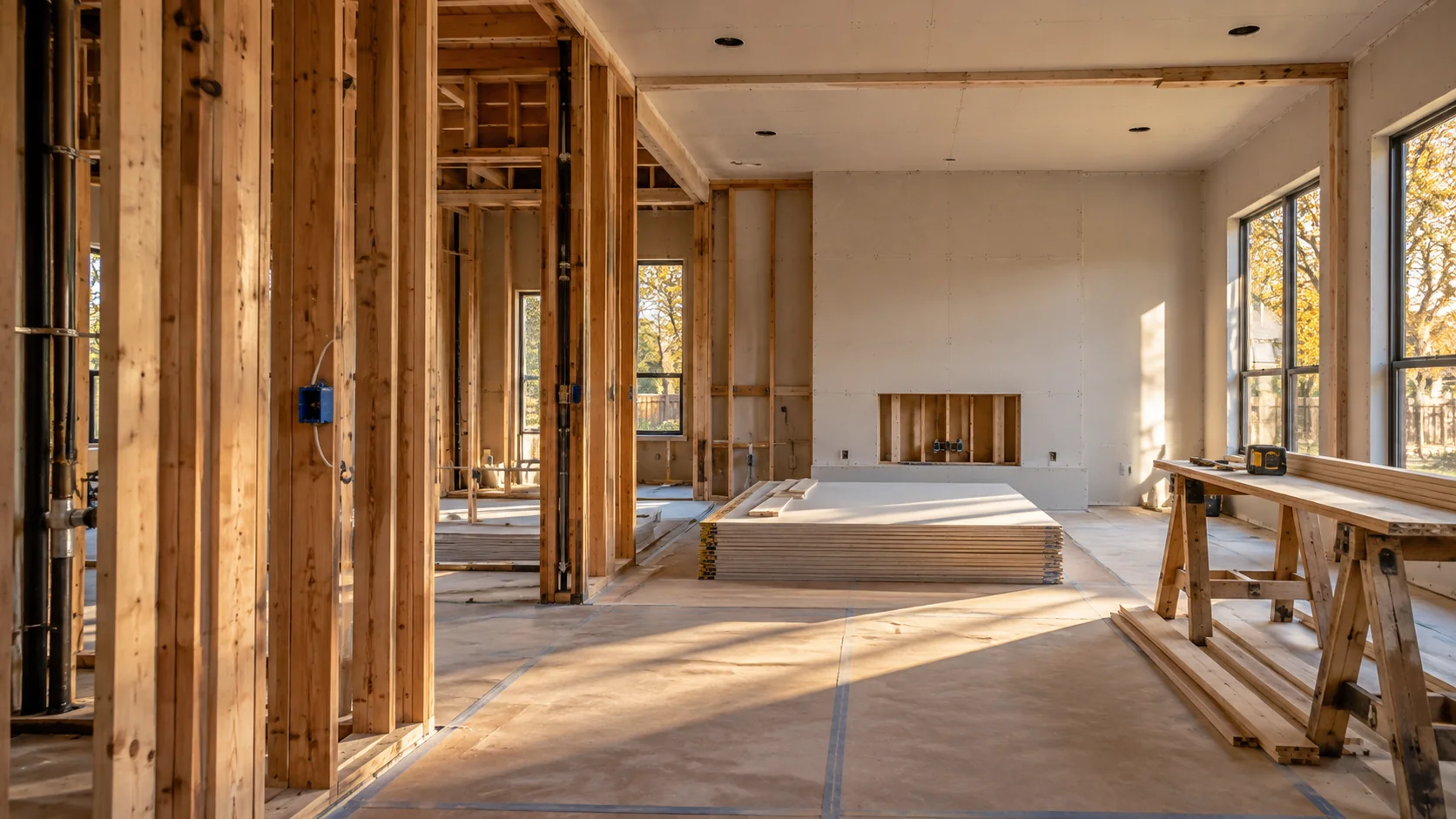
Use a concise project snapshot
State the property, reporting date, current phase, scope version, completed work, and planned next work. Include photographs tied to locations and dates. Describe progress in terms of actual work or areas rather than relying on an unexplained completion percentage.
Show decisions and dependencies
List open issues, the person responsible, information needed, and the work affected. Distinguish an approved change from a request under review. Update milestone forecasts with the assumptions behind them, especially where design, delivery, access, or inspection remains unconfirmed.
Keep the financial view traceable
Have the responsible owner or finance contact reconcile approved commitments, invoices, payments, and forecast remaining costs. Maintain insurance funding status separately. Ask lender and ownership contacts to confirm the format, supporting documents, and review cadence required for their purposes.
Close the reporting loop
Record decisions received and show their effect in the next report. Retain the report history with the project file so later reviewers can understand how the scope and forecast developed. Final reporting should link the completed work, outstanding items, and financial reconciliation without implying that every stakeholder process is closed.