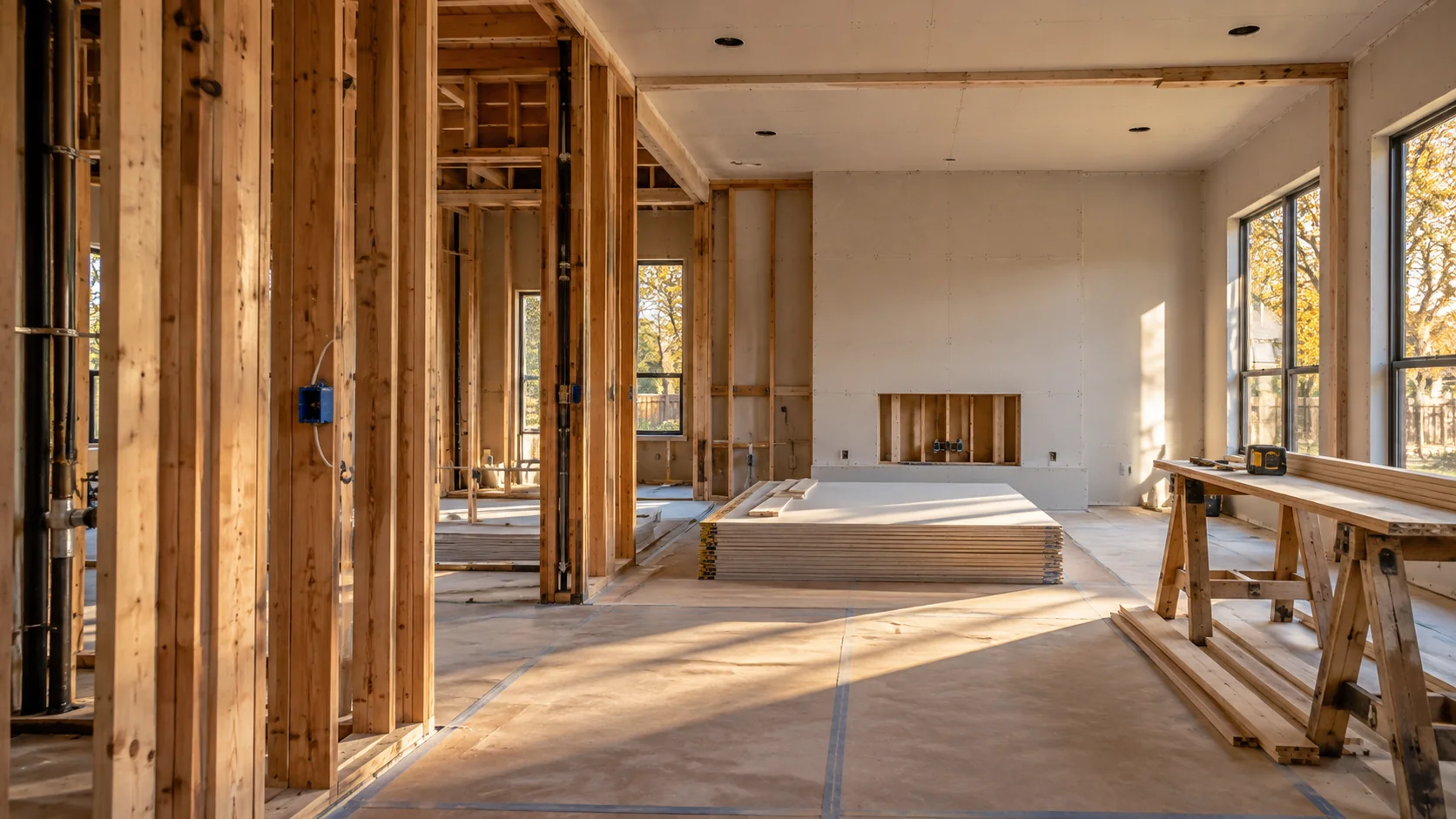
Build an estimate that describes the repairs
Identify removal, repair and replacement by room, elevation or building component. Show quantities, materials and finish boundaries for work such as walls, ceilings, flooring, roofing and affected systems. A detailed scope makes differences between construction estimates easier to discuss.
Connect the claim record to the building condition
Bring available assessments, mitigation records, photographs and insurer estimates. Use consistent room names so each proposed repair can be traced to a finding. Keep emergency response and specialist cleanup responsibilities separate from the permanent construction scope.
Resolve funding and changes before committing
Have the contractor explain allowances, payment milestones and owner-selected upgrades. When concealed damage changes the work, request the location, added price and schedule effect together. The owner authorizes construction; the insurer explains coverage and claim payments under the policy.
What to compare in a written proposal
- Location-based damage and construction estimate
- Mitigation handoff and specialist work still outstanding
- Materials, allowances, payment terms and owner upgrades
- New findings, written changes and final construction records
Restoration construction after property damage
AmeriConstruction provides restoration and reconstruction planning for properties affected by fire, water and storms. Construction may involve damaged interiors, finishes, roof or exterior assemblies and coordination of affected building systems. The first task is to distinguish immediate safety or stabilization needs from the permanent repair scope. For immediate danger, contact emergency services rather than wait for an online project response.
A visible stain or damaged surface does not establish the full extent of loss. Moisture, smoke effects and concealed conditions may require appropriate specialist assessment before finishes are replaced. Identify what has already been inspected, removed or dried, and who is responsible for any remaining mitigation. Permanent reconstruction should not conceal an unresolved condition.
How are reconstruction scope and insurance decisions separated?
A construction proposal describes the work, quantities, selections and assumptions. Coverage, deductibles and payment decisions belong to the insurer and the policy process. A claim estimate and a contractor proposal may differ because their scopes or assumptions differ; neither should be treated as an automatic authorization for all repairs.
Provide photographs, available inspection reports, the affected-area list and any scope documents you are permitted to share. Exclude sensitive financial or identity documents from the website upload. Clarify which repairs are essential restoration and which are owner-selected upgrades, and agree how changes discovered during work will be documented and approved.
Planning access and completion after a loss
Occupied homes and businesses need a plan for usable areas, isolation of work zones and utility interruptions. Material availability, specialist findings and the completion of drying or other prerequisite work can affect the sequence. Discuss those dependencies before relying on a completion target.
At completion, review the agreed repaired areas, outstanding corrections and the records included in the contract. Describe the damage type, current property condition and work already performed in the project form below. AmeriConstruction can discuss reconstruction fit; submitting a request is not an emergency dispatch or an insurance coverage determination.
Related Services & Resources
Find guidance for your city
Choose your city for local project questions and building-department resources. Confirm the authority for your property address before applying.
Commercial Insurance-Related Reconstruction
Insurance Restoration & Reconstruction
Commercial Reconstruction
Roof damage and repair-scope options
Explore these construction planning topics when they match the decision you need to make.