
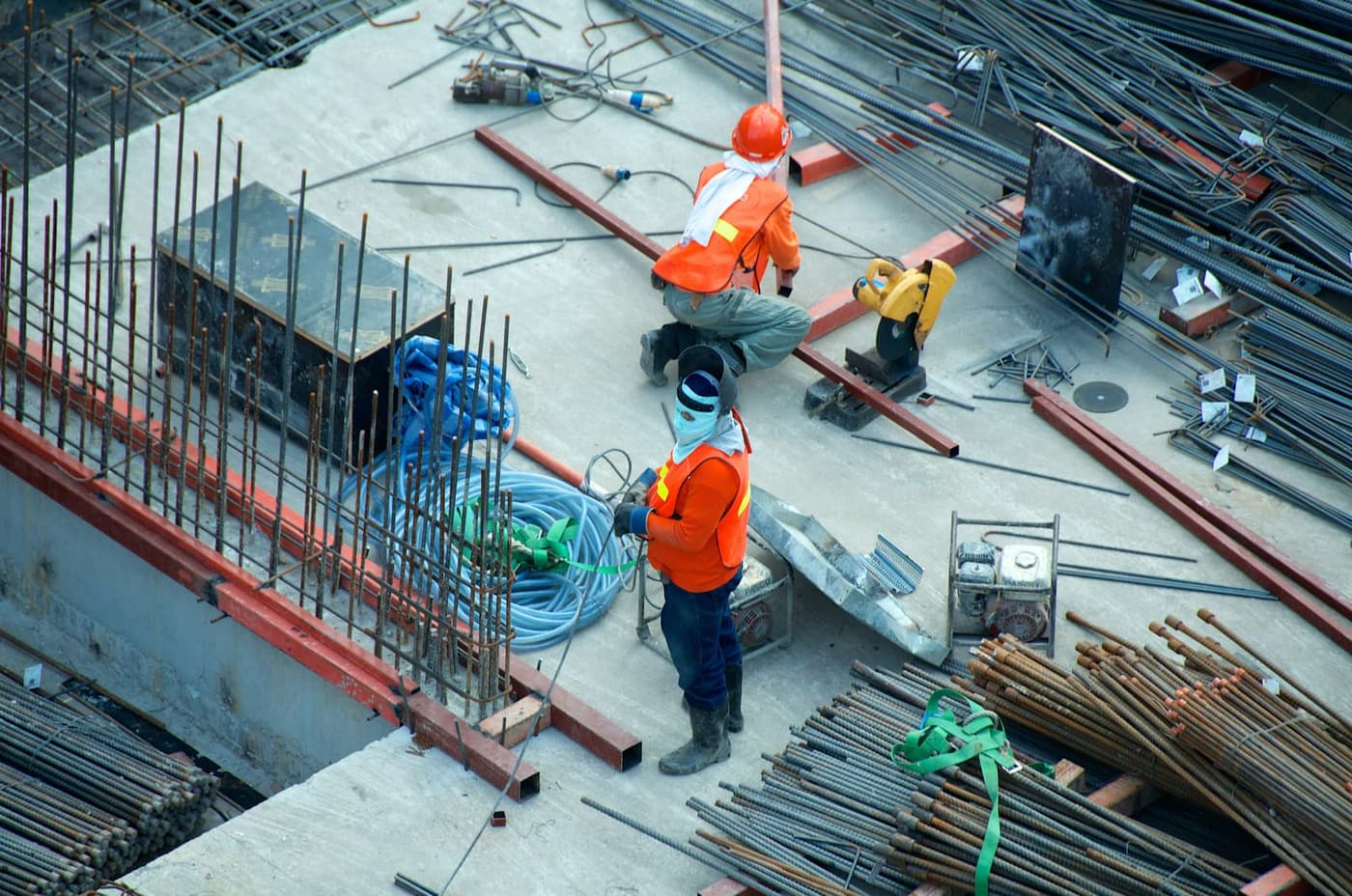
Commercial facilities technician inspecting a roof drain and flashing

Core Service Authority

Preventative Maintenance

Condition-informed preventative maintenance programs for commercial facilities—schedules, records, and escalation into capital planning.

What is Preventative Maintenance?

Preventative maintenance is scheduled, condition-informed work intended to preserve building systems and reduce avoidable failures. It works when the asset inventory, frequencies, responsibilities, observations, corrective work, and records are tied to actual facility risk.

Executive summary

Commercial facilities do not become predictable through inspections alone. Predictability comes from a recurring operating system: identify assets and critical spaces, define maintainable components, perform scheduled work, document observed conditions, correct emerging defects, and use the history to plan capital. In North Texas, storm exposure, heat, UV, drainage, rooftop equipment, exterior joints, paving, and occupancy patterns can all influence priorities. A facilities team should distinguish routine maintenance from corrective repair and capital renewal. The goal is not to perform the most tasks; it is to protect safety, operations, weather resistance, and asset life with evidence-based priorities. A useful program supports owners of individual buildings and portfolios, including commercial, industrial, retail, and multifamily properties.

Key takeaways

  • Preventative maintenance starts with an accurate asset and condition inventory.
  • Scheduled tasks should be based on equipment guidance, exposure, criticality, and site history.
  • Maintenance findings must produce priorities, assigned actions, and closure—not only reports.
  • Separate routine operating work from repairs, emergency response, and capital replacement.
  • Storm inspections and seasonal checks are especially relevant to North Texas roof, envelope, drainage, and exterior assets.
  • Use repeatable location names and photo records so findings survive staff changes.
  • A program should protect tenant and customer operations while work is performed.

Definitions

Preventative maintenance
Planned recurring work intended to reduce the probability or consequence of asset deterioration or failure.
Corrective maintenance
Work performed to correct an identified defect or restore a component after a condition is observed.
Critical asset
An asset whose failure has a high safety, operational, financial, compliance, or occupant consequence.
Work order
A documented instruction and record for maintenance, repair, inspection, or service activity.
Condition-based maintenance
Maintenance timing informed by observed condition or performance rather than calendar interval alone.

Build the maintenance program from real assets

Start with a usable asset list: roofs and drains, exterior walls and joints, doors and windows, paving and walks, lighting, mechanical equipment, plumbing, electrical components, fire/life-safety systems, site drainage, and specialty assets relevant to the property. Each record should locate the asset, identify its function and criticality, note age and history when known, and connect to manufacturer or service information where available. Avoid a generic checklist that does not match the building.

Classify assets by consequence. A blocked roof drain above a critical server area, a failed accessible route, or an exterior door that compromises security may need faster attention than a low-consequence aesthetic condition. Criticality should be reviewed with operations staff because they understand which areas, inventory, tenants, and hours create business risk.

Set schedules around risk and exposure

Frequency should follow asset type, manufacturer guidance, warranty obligations, condition, environment, use, and past failures. A roof or site-drainage review may need additional attention after severe weather; exterior joints and coatings benefit from periodic observation as they age; high-use doors, docks, and walks need a cadence aligned with traffic. The schedule should specify the task, responsible party, access needs, acceptance standard, and what evidence is required to close it.

Do not confuse frequency with effectiveness. Monthly inspection reports that repeat the same unresolved finding are evidence of a management gap, not a mature program. Review recurring issues for root conditions: poor drainage, repeated rooftop traffic damage, incompatible repairs, equipment condensate, tenant alterations, or an asset nearing capital renewal.

Maintain the weather-exposed building first

Roofs, roof drains, flashings, wall joints, penetrations, doors, windows, and site drainage deserve coordinated attention because water entry can damage interiors and disrupt operations quickly. A maintenance visit should observe condition without damaging the assembly or making unapproved modifications. Record active leaks, ponding, debris, open seals, displaced flashings, damaged components, and access or safety issues with enough location detail for repair planning.

Following hail, wind, or heavy rain, prioritize safe access, temporary protection where needed, photographs, and an evidence-based inspection. Do not treat storm response as a substitute for routine maintenance, and do not delay emergency water-control steps while waiting for a complete capital decision. The program should define escalation paths for both.

Turn findings into closed corrective actions

Every finding should receive a severity, recommended action, responsible party, due date, and closure evidence. Separate observations that require immediate emergency action from scheduled corrective work and longer-term capital items. This makes the work queue useful to both facilities teams and ownership. It also lets leaders see whether a recurring minor repair is becoming a renewal issue.

A maintenance database or spreadsheet does not need to be complex to be effective, but it must keep consistent asset names, locations, dates, photos, and status. Retain vendor reports, repair descriptions, invoices, and closeout records. These data improve future scoping and make handoffs more reliable when managers or service providers change.

Plan around occupants and operations

Preventative work takes place in live commercial environments. Coordinate entry, notices, keys, escorts, noise, dust, shutdowns, pedestrian routes, loading areas, and daily cleanup. Multifamily properties need resident communication and unit access protocols; industrial properties need traffic and safety coordination; retail and office properties need customer and tenant disruption minimized. The best maintenance schedule is one that can actually be performed safely and repeatedly.

Where a task requires a shutdown or access to sensitive equipment, create a written method and approval sequence. Confirm responsibility for restoring systems and communicating completion. This operational discipline matters as much as the physical task because unplanned downtime can be more disruptive than the maintenance itself.

Connect maintenance to CapEx planning

Maintenance cannot indefinitely preserve every asset. Use condition history, repair frequency, observed deterioration, operating consequence, and forecast renewal timing to identify when the owner should investigate capital work. A capital forecast should list assumptions and uncertainty, not claim a precise future failure date. It should also identify opportunities to combine related work—such as roof renewal, rooftop equipment access, flashing, and exterior repairs—to reduce repeated disruption.

This distinction protects both budgets. Routine maintenance and small corrective work can often be planned as OpEx, while major renewal or improvement may need CapEx approval. The classification is ultimately an owner and accounting decision, but the operational record provides the condition evidence required for responsible planning.

For multi-building portfolios, standardize naming for roofs, elevations, docks, and equipment so a finding in one report can be compared to another. When the same drain, joint, or door type fails repeatedly across sites, the pattern often points to a design interface, traffic pattern, or procurement choice rather than an isolated maintenance miss. Capture that pattern in the capital conversation so ownership can decide whether to fund redesign, access improvement, or broader replacement instead of endless one-off repairs.

Seasonal and post-storm maintenance for North Texas

A practical Texas program anticipates heat-driven UV aging, summer thunderstorms, hail windows, and freeze–thaw edge cases on exterior assemblies. Before peak storm season, confirm roof access routes, drain and gutter cleanliness where included in the program, temporary protection materials, and photo documentation standards. After a significant weather event, prioritize safety, temporary water control, and evidence collection before cosmetic cleanup obscures conditions.

Seasonal checklists should stay short enough to complete. Overlong lists encourage checkbox theater. Focus on drains, flashings, sealants, doors, walks, and any asset whose failure would interrupt tenants, inventory, or life-safety egress. Pair each seasonal pass with a clear escalation path so crews know when to stop temporary work and request a contractor assessment.

Preventative maintenance operating loop

  1. Step 01

    Inventory

    Identify assets, locations, criticality, and history.

  2. Step 02

    Schedule

    Set task intervals based on exposure and manufacturer guidance.

  3. Step 03

    Inspect and service

    Perform work safely and record observations consistently.

  4. Step 04

    Correct and escalate

    Close defects or move renewal needs into the capital plan.

  5. Step 05

    Review trends

    Use recurring findings to improve scope and budget timing.

What we do

How AmeriConstruction delivers preventative maintenance

AmeriConstruction helps commercial owners structure preventative maintenance around real assets and risk: roofs, envelope, drainage, site elements, and related systems. Findings feed corrective work and CapEx conversations so maintenance is an operating system, not a stack of unread reports.

Capabilities

  • Asset inventory support
  • Scheduled inspection programs
  • Roof and envelope maintenance focus
  • Work-order and record discipline
  • CapEx escalation pathways

How we work

A clear process from discovery through closeout, so stakeholders know what happens next.

  1. 01

    Inventory

  2. 02

    Schedule

  3. 03

    Inspect & service

  4. 04

    Correct & escalate

Service area

Preventative Maintenance across North Texas

This authority guide covers the service discipline. Explore related service and market pages for local delivery context.

Frequently asked questions

Clear answers to common project questions.

How is preventative maintenance different from corrective repair?+

Direct answer

Preventative maintenance is planned; corrective repair fixes defects. Both should feed a clear priority and capital pathway.

View in FAQ hub

Commercial Resource Center

Guides for facilities and commercial owners

Planning, budgeting, delivery methods, preconstruction, permitting, and occupied renovations, separate from the general Knowledge Center.

Why owners trust AmeriConstruction

Credentials

GAF Certified™ contractor. Insured, with bonding available on a project basis when requested.

Service area

Dallas, Collin, Denton, Tarrant, Grayson, and Fannin Counties, plus major Metroplex cities.

Contact

972-645-1654 · Mon - Sun 9:00 am - 6:00 pm · Offices in Pottsboro, Plano, and Pilot Point.

Proof

Documented project experience, client testimonials, and Knowledge Center guidance for owners and managers.

What clients say

Fantastic work done to spec, neat and efficient, no damage to exteriors or landscaping, and no changes to costs! It was a pleasure doing business with AmeriConstruction.

Tom G.

What a wonderful company to work with and especially Trevor. He was so easy to work with. Explained all information on a level where I could understand. Extremely polite and courteous. Would highly recommend.

Ruth K.

Love this company! Very professional and polite. They helped navigate the full process with my insurance company and took the time to walk me through everything they would be doing with my roof.

Lori P.

Request this service

Tell us about your property and goals. Upload plans for commercial scopes if available.

Ready to discuss preventative maintenance?

Request a quote or call the team. Share plans if you have them, especially for commercial and multifamily scopes.

GAF Certified™ Roofing Contractor · Fully Insured · Offices in Pottsboro, Plano & Pilot Point, TX