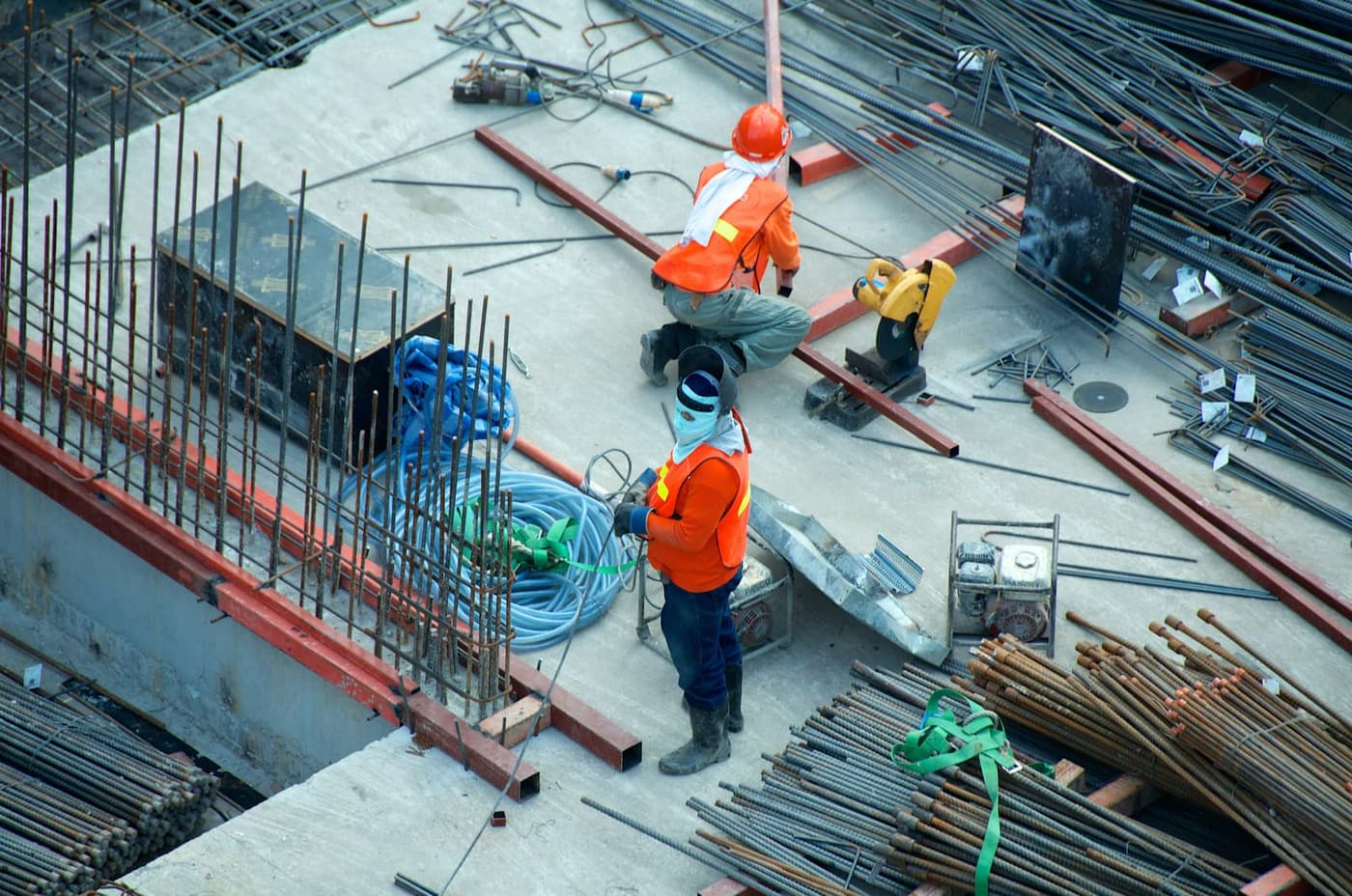
Commercial painter preparing an exterior metal substrate before protective coating

Core Service Authority

Commercial Painting

Commercial painting and protective coating scopes grounded in substrate preparation, compatibility, and occupied-facility sequencing.

What is Commercial Painting?

Commercial painting is a substrate-preparation and protection process as much as a color decision. A reliable scope identifies the surface, existing coating condition, moisture and contamination risks, required repair, coating compatibility, access, and operational sequencing before paint is applied.

Executive summary

A repaint can improve appearance, support tenant turnover, and protect selected substrates, but coating cannot correct active water intrusion, deteriorated sealant, unsound stucco, corroding metal, or failed substrate preparation. Commercial owners should first determine what they are painting and why: branding, lifecycle renewal, corrosion protection, interior turnover, hygiene, weathering, or post-repair restoration. North Texas UV and heat can challenge exposed coatings, while wind-driven rain and envelope leaks can undermine adhesion. A useful painting scope includes cleaning and preparation standards, patch and sealant coordination, primer and topcoat compatibility, sample areas, access and containment, cure limits, and a clear accepted finish. Occupied buildings also need a plan for odors, dust, scheduling, and daily return to service.

Key takeaways

  • The coating system must match the substrate, exposure, existing coating, and required service conditions.
  • Preparation—cleaning, repair, profiling, and priming—often governs coating performance.
  • Do not paint over active moisture, failing sealant, corrosion, or deteriorated substrate without addressing the cause.
  • North Texas UV and heat affect exterior coating selection, application windows, and maintenance timing.
  • Mockups or sample areas help establish color, sheen, texture, and repair expectations before broad application.
  • Occupied interiors need low-disruption sequencing, ventilation consideration, and protection of occupants and furnishings.
  • Protective coatings and architectural paint have different performance roles and should not be treated as interchangeable.

Definitions

Substrate
The existing surface receiving a coating, such as drywall, concrete, masonry, steel, wood, or previously coated metal.
Surface preparation
Cleaning, removal, repair, abrasion or profiling, and priming needed to create a suitable surface for coating adhesion.
Primer
A preparatory coating selected to bond to a substrate and support the performance of subsequent coats.
DFT
Dry film thickness: the thickness of cured coating, commonly a key quality-control measure for protective systems.
Coating failure
Loss of intended coating performance such as peeling, blistering, chalking, rust breakthrough, cracking, or poor adhesion.

Define the purpose of the paint or coating scope

Commercial painting projects have different objectives. An office tenant improvement may require a durable, consistent interior finish on a compressed schedule. A multifamily turnover program may prioritize repeatable color control and unit sequencing. An exterior repaint may aim to refresh appearance and protect sound cladding. Steel, concrete, and industrial substrates may require a protective coating system with performance requirements that go beyond architectural finish. The owner should state the desired outcome and service environment before selecting a system.

Avoid assuming every discolored or peeling surface is a paint problem. Water entry, condensation, substrate movement, salt deposits, corrosion, chemical exposure, or prior incompatible coatings can undermine a new finish. Determine whether painting is the final restoration step after envelope, waterproofing, concrete, or sealant repair. A beautiful finish applied over an unresolved condition can fail quickly and obscure useful evidence.

Assess substrate and existing coating condition

Review the substrate type, existing coating history when known, adhesion, chalking, cracks, rust, biological growth, patching, moisture evidence, and areas of repair. Different substrates need different preparation. Masonry and concrete may need cleaning, patch repair, moisture evaluation, and compatible breathability considerations. Metal may need corrosion removal, profile preparation, and a protective system appropriate to exposure. Drywall requires repair, sanding, primer, and protection of adjacent finishes.

When existing coating compatibility is uncertain, a test area or adhesion evaluation can be more informative than an assumption. If lead-containing or other hazardous coatings may be present in an older building, the owner should arrange appropriate assessment and compliant handling before disturbance. That question belongs in planning, not after sanding or demolition begins.

Make surface preparation and application conditions explicit

The proposal should state cleaning method, repairs, removal limits, sanding or profile requirements, primer, number of coats, specified product family, and expected coverage or thickness where relevant. Manufacturer instructions control application parameters such as temperature, humidity, dew point, recoat interval, and substrate condition. Exterior work in North Texas should be scheduled with weather exposure and hot surfaces in mind; applying material outside required conditions can affect appearance, cure, and adhesion.

For protective systems, quality control may include surface cleanliness, profile, environmental readings, batch tracking, and dry-film-thickness checks. ASTM or SSPC-related concepts may be relevant depending on the material and specification, but the requirement should be selected for the actual substrate and exposure. Do not apply an industrial-control regime to a simple interior repaint without reason, or use an interior-paint expectation for a corrosion-control scope.

Coordinate painting with envelope and repair work

Exterior coatings often interface with sealants, flashings, masonry repairs, stucco, metal panels, or waterproofing. The sequence determines whether surfaces can be prepared and whether the new coating bridges or blocks intended drainage or movement. For example, sealant must be compatible with adjacent coatings, and coatings should not hide a joint that needs to move. Repair and paint responsibilities should be aligned before mobilization.

A façade repaint is also a useful opportunity to inspect high-access areas for open joints, failing coping, corroded components, or cracks. Record what is observed and determine whether it is within the paint scope or should be addressed separately. That distinction protects the owner from believing that painting alone renewed the entire envelope.

Keep occupied facilities functional

Interior painting affects air quality, odors, access, furnishings, technology, and daily work. Plan work zones, off-hours where useful, ventilation, protection and moving of contents, security access, cleanup, and return-to-service milestones. In healthcare, education, multifamily, office, and retail settings, the owner’s operations team should identify sensitive areas and resident, staff, or customer communication needs before the schedule is set.

Color and sheen consistency require controls as well. Confirm colors, product line, sheen, accent-wall locations, and touch-up standards through a sample area or approved mockup. Define whether walls receive spot repair, full-wall repaint, or room-wide coating, because patch visibility can be subjective and lighting changes perception.

Inspect the finish and plan maintenance

Final inspection should occur in appropriate lighting and after required cure time, with agreed viewing distance and acceptance criteria. Look for missed coverage, lap marks, runs, contamination, damage, inconsistent sheen, incomplete caulking where included, and overspray or protection failures. Record touch-up materials and color information for facilities use. For exterior assets, retain the coating system and application details because future maintenance needs to remain compatible.

A maintenance plan can include periodic cleaning, early treatment of chips or corrosion, inspection of sealants and joints, and review after significant weather. Coatings are part of a broader asset strategy; their useful service depends on exposure, substrate condition, cleaning methods, and continued water management.

Commercial coating scope comparison

The coating system follows substrate and service exposure, not color alone.

Commercial coating scope comparison
ScopePrimary purposeNon-negotiable diligence
Interior architectural paintAppearance and maintainable finishRepair, primer, color/sheens, occupant protection.
Exterior architectural coatingAppearance plus selected substrate protectionMoisture, sealant, preparation, weather window.
Protective metal coatingCorrosion controlSurface condition, profile, environment, thickness.
Concrete/masonry coatingFinish or targeted protectionSubstrate moisture, repair, compatibility, drainage.

Painting project decision sequence

  1. Step 01

    Identify objective

    Clarify appearance, protection, turnover, or repair-restoration need.

  2. Step 02

    Assess substrate

    Locate moisture, corrosion, adhesion, and repair issues.

  3. Step 03

    Approve a system

    Match prep, primer, coats, color, and conditions to use.

  4. Step 04

    Phase operations

    Plan access, containment, protection, and return to service.

  5. Step 05

    Close out

    Inspect finish and retain product information for maintenance.

What we do

How AmeriConstruction delivers commercial painting

AmeriConstruction scopes commercial painting as a preparation and protection process: substrate condition, repairs, primer and system compatibility, access, and operational sequencing. Exterior work is coordinated with envelope and sealant conditions so coating does not conceal unresolved water or corrosion issues.

Capabilities

  • Interior and exterior commercial painting
  • Substrate prep and repair coordination
  • Protective coating scopes where applicable
  • Occupied-facility sequencing
  • Color/sheen mockups and closeout

How we work

A clear process from discovery through closeout, so stakeholders know what happens next.

  1. 01

    Assessment

  2. 02

    Prep & repairs

  3. 03

    Application

  4. 04

    Inspection

Service area

Commercial Painting across North Texas

This authority guide covers the service discipline. Explore related service and market pages for local delivery context.

Frequently asked questions

Clear answers to common project questions.

Why does surface preparation matter for commercial painting?+

Direct answer

Surface preparation determines adhesion and longevity; color selection cannot compensate for an unsound substrate.

View in FAQ hub

Commercial Resource Center

Guides for facilities and commercial owners

Planning, budgeting, delivery methods, preconstruction, permitting, and occupied renovations, separate from the general Knowledge Center.

Why owners trust AmeriConstruction

Credentials

GAF Certified™ contractor. Insured, with bonding available on a project basis when requested.

Service area

Dallas, Collin, Denton, Tarrant, Grayson, and Fannin Counties, plus major Metroplex cities.

Contact

972-645-1654 · Mon - Sun 9:00 am - 6:00 pm · Offices in Pottsboro, Plano, and Pilot Point.

Proof

Documented project experience, client testimonials, and Knowledge Center guidance for owners and managers.

What clients say

Fantastic work done to spec, neat and efficient, no damage to exteriors or landscaping, and no changes to costs! It was a pleasure doing business with AmeriConstruction.

Tom G.

What a wonderful company to work with and especially Trevor. He was so easy to work with. Explained all information on a level where I could understand. Extremely polite and courteous. Would highly recommend.

Ruth K.

Love this company! Very professional and polite. They helped navigate the full process with my insurance company and took the time to walk me through everything they would be doing with my roof.

Lori P.

Request this service

Tell us about your property and goals. Upload plans for commercial scopes if available.

Ready to discuss commercial painting?

Request a quote or call the team. Share plans if you have them, especially for commercial and multifamily scopes.

GAF Certified™ Roofing Contractor · Fully Insured · Offices in Pottsboro, Plano & Pilot Point, TX