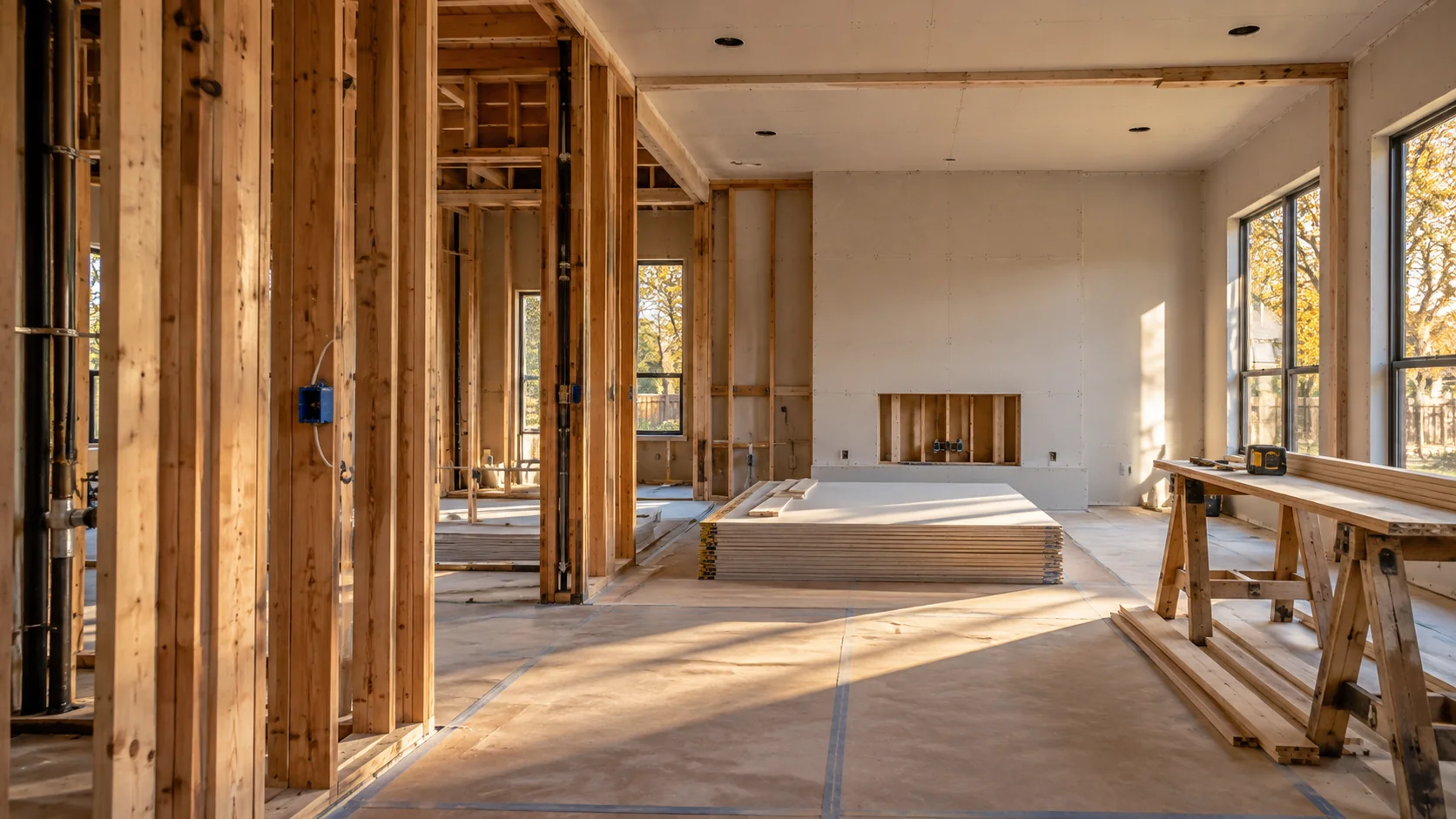
Record observations with context
Use a location identifier and date for each observation. Where access is authorized, pair a wide view that locates the area with closer views of the condition. Record whether a photograph was taken before or after protective work. Keep original files and avoid edits that obscure what was observed.
Maintain an incident and action log
Record discovery time, reports received, areas affected, site restrictions, and known actions. Separate firsthand observations from information reported by others. Log who authorized emergency work and what that work included.
- Property, building, and room or zone identifier.
- Observer and date.
- Condition observed and access limits.
- Action taken, responsible party, and supporting records.
Coordinate evidence and privacy
Ask the insurer, investigators, and qualified responders about material retention and evidence handling. Do not delay essential safety or protective actions to produce a perfect file. Avoid exposing tenant records, personal information, or security details in broadly shared photographs.
Make the record usable for scope development
Index photographs and reports against the affected areas. Mark unresolved questions for the assessment team and maintain a dated record of later discoveries. Documentation supports evaluation; it does not by itself prove cause, insurance coverage, or the appropriate repair.