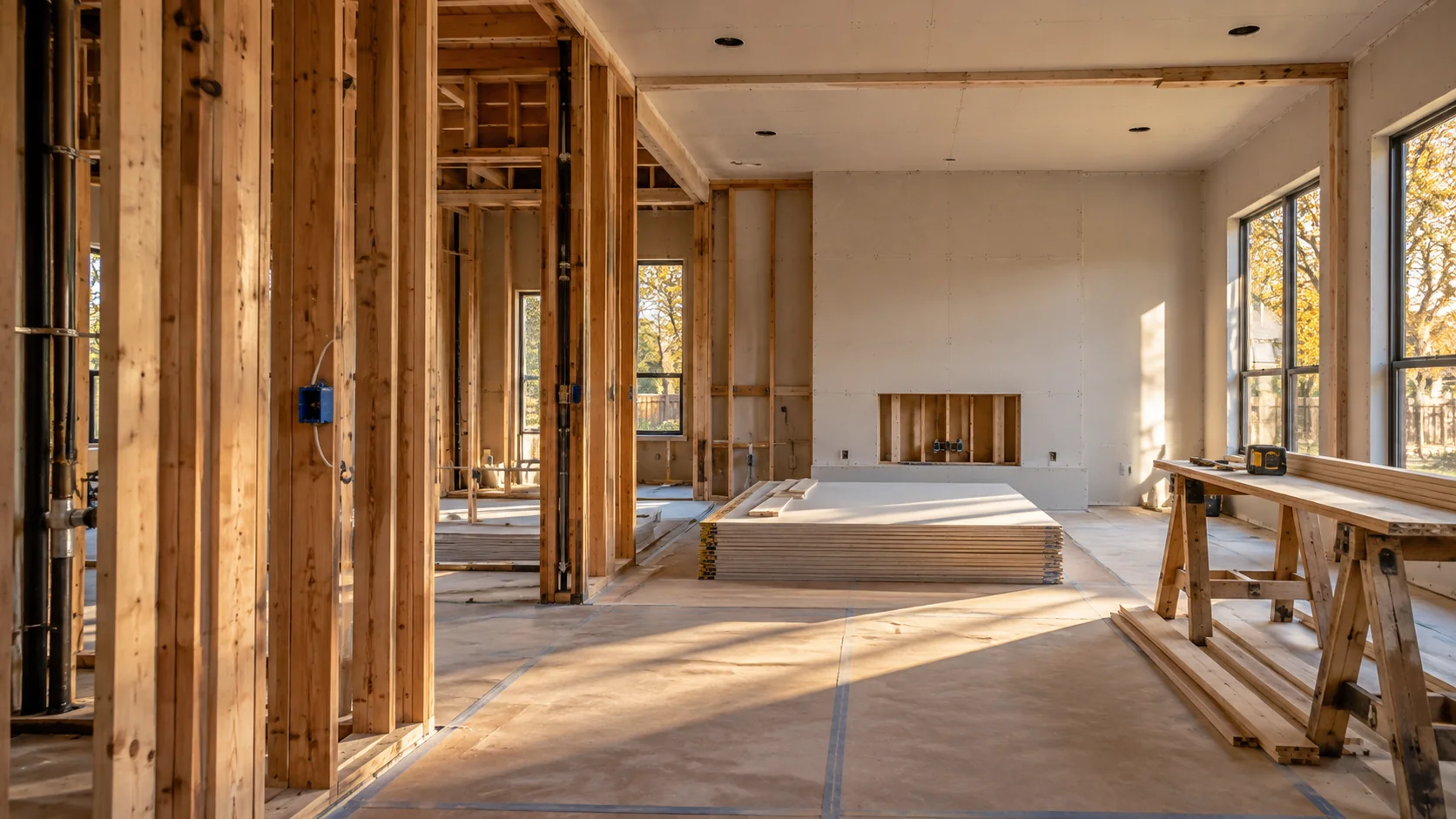
Prepare the construction information
Provide the incident record, location-based photographs, assessment findings, emergency work records, and the current proposed repair scope. Identify quantities, material assumptions, access limitations, and unresolved conditions. Share prior building records when relevant and clearly label their dates.
Make site discussions traceable
Coordinate access through the property’s responsible contact. Record the areas reviewed, questions raised, information requested, and follow-up actions. A site discussion should not be treated as a final approval unless the appropriate decision is documented.
Respect the different roles
The contractor describes observed conditions and proposed construction. The owner’s insurance advisers address policy and representation questions. TDI states that a contractor performing the work cannot also act as a public adjuster on that claim. Confirm the role and authority of each person communicating for the owner.
Track differences and new findings
If scope views differ, identify the exact location, quantity, or proposed work in question and supply the supporting construction information. Keep coverage disputes with the appropriate advisers. Document owner authorization separately before committing to permanent construction or a change.