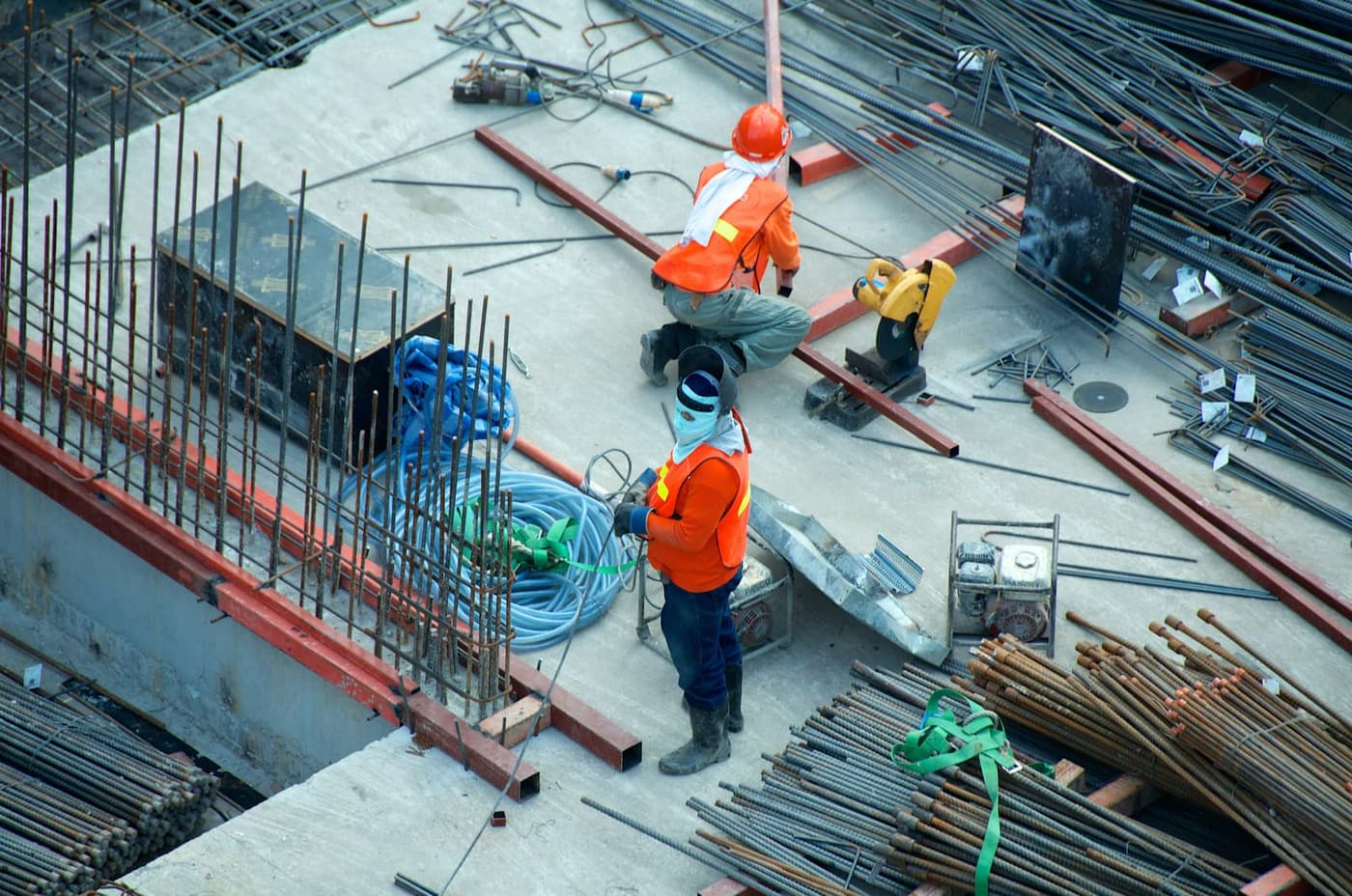
Commercial construction management coordination meeting at an active North Texas project

Core Service Authority

Construction Management

Construction management support that aligns scope, schedule, procurement, and field coordination for commercial owners.

What is Construction Management?

Construction management is a structured approach to planning, coordinating, monitoring, and reporting commercial construction on behalf of defined project objectives. Depending on the contract model, the construction manager may advise the owner, coordinate preconstruction and trades, or provide broader at-risk delivery responsibilities; the agreement must state the role clearly.

Executive summary

Owners use construction management when a project needs early constructability input, transparent coordination, procurement planning, schedule discipline, and a reliable communication structure. The title alone does not establish scope or risk. A practical CM plan identifies who holds trade contracts, who controls budget commitments, who approves changes, how design questions are resolved, and what reporting the owner receives.

Key takeaways

  • Construction management responsibilities depend on the contract model and should be stated explicitly.
  • Early CM input can identify constructability, phasing, procurement, and budget issues before field work.
  • Owner decision rights and trade-contract relationships need clear documentation.
  • A CM schedule should connect design, permits, procurement, construction, inspections, and turnover.
  • Reporting is useful when it forecasts decisions and risks rather than merely listing activity.
  • CM can support occupied projects through coordinated phasing and stakeholder communication.

Definitions

Construction manager
A party engaged to coordinate planning and construction activities under a defined contract role.
CM as agent
A delivery approach in which the construction manager advises and coordinates for the owner, while the owner commonly holds the trade contracts.
CM at risk
A delivery approach in which the construction manager typically assumes contracted responsibility for construction delivery, subject to the agreement.
Constructability review
A review of design information for practical installation, sequencing, access, coordination, and cost implications.
Submittal
A contractor-provided package—such as product data, samples, or shop drawings—submitted for review before a specified material or system is installed.
Punch list
A documented list of incomplete or nonconforming items identified near substantial completion and tracked to resolution before final turnover.

How construction management starts with usable scope

Construction-management preconstruction brings field, procurement, and sequencing insight into the project while scope and design decisions can still be adjusted with less disruption. The useful starting point is not a broad wish list; it is a field-informed scope that distinguishes owner decisions, design information, existing-condition risk, long-lead selections, and work that must be priced as an allowance until investigation is complete. In North Texas, that early discipline matters because permit review, utility coordination, landlord criteria, and market availability can affect a planned opening or operating date.

A commercial contractor should walk the space or site before treating drawings as complete. Existing electrical capacity, roof and wall interfaces, concealed conditions, fire protection routing, access for equipment, and occupied-building constraints can materially change sequence and cost. The preconstruction record should state assumptions, exclusions, alternates, schedule milestones, and the party responsible for unresolved decisions. That gives the owner a basis to compare proposals without mistaking a low initial number for a complete plan.

  • Confirm the business objective, required occupancy or operational date, and work boundaries.
  • Document existing conditions with field verification rather than relying only on legacy plans.
  • Identify permit, landlord, utility, and authority-having-jurisdiction requirements early.
  • Separate defined work from allowances, alternates, and owner-furnished items.

Delivery planning, procurement, and sequencing

During execution, the CM maintains the coordination rhythm among owner, design team, trades, authorities, and occupants so decisions and constraints are addressed at the right time. A dependable schedule is more than a finish date. It connects design release dates, permitting, procurement, inspections, trade handoffs, owner selections, and commissioning or turnover activities. Critical-path work should receive special attention, particularly switchgear, HVAC equipment, storefront systems, specialty finishes, roofing components, and other items whose lead time can exceed installation duration.

Dallas–Fort Worth projects frequently require construction to coexist with tenants, shoppers, patients, employees, deliveries, or warehouse operations. The work plan should establish access routes, staging, laydown limits, dust and noise controls, shutdown windows, protection of finished areas, and daily restoration of egress. When an occupied facility remains open, phasing is a construction control—not merely a scheduling preference. Each phase needs a handoff condition that is safe, inspectable, and understandable to the people operating the building.

  • Tie procurement dates to approved submittals, not an assumed purchase order date.
  • Plan inspections and required testing before work is concealed.
  • Use milestone look-aheads to expose handoff conflicts between trades.
  • Coordinate shutdowns in writing with the owner, facility team, and affected occupants.

Quality, safety, and code coordination

CM controls rely on an auditable baseline: schedule, budget status, risk register, decision log, change log, quality observations, and clear responsibility assignments. Commercial work should be organized around verifiable installation requirements, not a final visual walk alone. Quality control includes reviewing approved submittals, checking dimensions and interfaces before installation, documenting corrections while access remains available, and protecting completed work. The applicable building code, adopted local amendments, permit conditions, and manufacturer instructions establish requirements; the contractor coordinates work to those requirements but should not represent an unverified condition as code-compliant.

OSHA requirements inform jobsite safety planning, while site-specific hazards require practical controls. A written plan should address competent supervision, access, housekeeping, fall exposures, equipment movement, hot work, lockout or shutdown coordination where applicable, and emergency contacts. In active commercial properties, life-safety routes and public separation deserve the same deliberate coordination as production work. Good controls reduce avoidable rework and help owners maintain continuity while construction proceeds.

  • Review drawings and field conditions before each major trade release.
  • Maintain clear separation between construction areas and occupied circulation paths.
  • Record inspections, tests, approved changes, and corrective work in the project file.
  • Protect weather-sensitive openings, materials, and temporary conditions during storm season.

Commercial controls and owner communication

Construction management is particularly useful when stakeholder coordination, early planning, or owner visibility is as important as the physical building work. Cost control requires timely information. A responsible process tracks the original scope, approved changes, pending pricing, allowances, procurement commitments, and forecast exposure so the owner can make decisions before the work forces one. Change documentation is especially important when demolition, concealed damage, utility conflicts, or owner-driven revisions affect the planned sequence. It should state the scope change, cost and time effect, and disposition rather than leaving a verbal direction to be reconstructed later.

Routine reporting should answer operational questions: what was completed, what is next, what needs a decision, what could affect the milestone, and what corrective action is underway. Owners do not need performative volume; they need a current record that connects field reality to schedule and budget. This approach also gives property managers, lenders, tenants, and design teams a consistent source of truth when their responsibilities overlap.

  • Set a regular reporting rhythm with action owners and decision due dates.
  • Issue written change documentation before proceeding when conditions permit.
  • Track allowances and contingencies against actual scope decisions.
  • Escalate schedule threats with options, not just a late notice.

Turnover that supports building operations

CM turnover organizes inspections, documentation, training, testing, punch completion, and owner acceptance around a defined readiness standard rather than a vague completion date. Turnover begins before the last day of field work. Closeout planning identifies required inspections, certificates, commissioning or startup records where applicable, training, warranties, as-builts, attic stock, keys or access controls, and final cleaning. A space may look complete while still lacking documentation or operational readiness. Defining those deliverables early helps the project team avoid a gap between physical completion and a usable handoff.

For an owner or facilities team, the best closeout package is organized for future use. It identifies installed systems, manufacturer information, maintenance obligations, warranty contacts, and outstanding items. A final walkthrough should distinguish minor punch work from a life-safety, access, water-intrusion, or operations issue that must be resolved before occupancy. The objective is a controlled handoff with a documented path for the remaining obligations, not an informal declaration that the project is done.

  • Start the closeout log before final finishes and inspections are complete.
  • Coordinate owner training and operating documents with system startup.
  • Verify required authority approvals and occupancy-related documents.
  • Track punch completion, warranty dates, and unresolved work to a responsible party.

When to use construction management

This service is appropriate when the owner needs a single accountable construction lead to coordinate defined work, field conditions, trade interfaces, safety, schedule, and turnover. It does not eliminate owner decisions, design responsibility, or authority review. It creates a disciplined process for bringing those inputs together before they become field delays. The right delivery path depends on the maturity of the design, the level of existing-condition uncertainty, the opening-date constraint, and how much operational disruption the facility can tolerate.

Before selecting a contractor or delivery method, owners should ask how the team validates assumptions, manages occupied work, treats unforeseen conditions, schedules inspections, controls substitutions, and documents closeout. The answer should be specific to the property and scope. A contractor that explains tradeoffs clearly gives decision-makers a stronger foundation than one that promises certainty before the site, drawings, and constraints have been properly evaluated.

Commercial delivery decisions at a glance

The project-specific contract documents and authority requirements govern the work; this framework helps owners ask better early questions.

Commercial delivery decisions at a glance
QuestionUse this service whenConfirm before authorizing work
Scope maturityThe work can be organized into a defined construction scope with managed unknowns.Drawings, field verification, exclusions, allowances, and owner-furnished items.
Operating conditionsConstruction must be coordinated around tenants, staff, customers, or production.Phasing, egress, shutdown windows, access, protection, and communication plan.
Schedule pressureA milestone requires active procurement and trade coordination.Long-lead items, permit path, inspection sequence, decision dates, and recovery options.
Risk managementThe owner wants documented control of changes and closeout.Change authority, contingency use, reporting cadence, testing, warranty, and handoff requirements.

Owner decision framework

Use this sequence before committing to construction or comparing proposals.

  1. Step 01

    Define the operating outcome

    State what must remain open, what must change, and the required operational or occupancy milestone.

  2. Step 02

    Verify the conditions

    Walk the site, review available records, and identify information that needs investigation or design confirmation.

  3. Step 03

    Align scope and risk

    Separate included work, allowances, alternates, exclusions, and owner decisions in a written scope.

  4. Step 04

    Test the delivery plan

    Review permits, procurement, phasing, inspections, safety controls, and stakeholder communication against the milestone.

  5. Step 05

    Authorize with controls

    Use documented changes, current forecasting, and closeout requirements throughout execution.

What we do

How AmeriConstruction delivers construction management

AmeriConstruction provides construction management focused on owner clarity: scope definition, procurement sequencing, trade coordination, schedule visibility, and quality checkpoints. The approach keeps decisions documented so occupied facilities and multi-stakeholder projects stay controllable.

Capabilities

  • Preconstruction coordination
  • Procurement and trade sequencing
  • Schedule and milestone tracking
  • Field quality checkpoints
  • Owner reporting cadence

How we work

A clear process from discovery through closeout, so stakeholders know what happens next.

  1. 01

    Align scope

  2. 02

    Procure & schedule

  3. 03

    Coordinate field work

  4. 04

    Closeout

Service area

Construction Management across North Texas

This authority guide covers the service discipline. Explore related service and market pages for local delivery context.

Frequently asked questions

Clear answers to common project questions.

What does a commercial general contractor do?+

Direct answer

A commercial general contractor coordinates the full construction process so owners receive a completed project aligned with agreed plans, schedule, and budget assumptions.

Executive summary

The GC manages scope definition support, trade coordination, quality control, schedule communication, and closeout. AmeriConstruction provides commercial general contracting across North Texas for build-outs, renovations, and ground-up work.

Detailed explanation

Owners hire a commercial general contractor when they need one accountable party to organize multiple trades and keep the project moving from preconstruction through turnover. That responsibility typically includes reviewing drawings and assumptions, sequencing work, coordinating subcontractors, monitoring quality, and maintaining clear communication with the owner and design team.

On commercial projects, the GC role is especially important when the building will remain occupied, when long-lead materials affect the calendar, or when permit and inspection milestones must be coordinated carefully. A strong contractor helps translate owner goals into a written scope, identifies constraints early, and documents decisions that affect cost or schedule.

AmeriConstruction approaches general contracting as an owner-focused delivery process: clarify the program, align the team, manage the field, and leave the owner with usable closeout information. Exact responsibilities are always defined in the project agreement and drawings for the specific asset.

View in FAQ hub

What is the difference between construction management and a general contractor?+

Direct answer

GC delivery centers on contractor-led execution; CM emphasizes owner-facing coordination. Contracts define the real difference.

View in FAQ hub

Commercial Resource Center

Guides for facilities and commercial owners

Planning, budgeting, delivery methods, preconstruction, permitting, and occupied renovations, separate from the general Knowledge Center.

Why owners trust AmeriConstruction

Credentials

GAF Certified™ contractor. Insured, with bonding available on a project basis when requested.

Service area

Dallas, Collin, Denton, Tarrant, Grayson, and Fannin Counties, plus major Metroplex cities.

Contact

972-645-1654 · Mon - Sun 9:00 am - 6:00 pm · Offices in Pottsboro, Plano, and Pilot Point.

Proof

Documented project experience, client testimonials, and Knowledge Center guidance for owners and managers.

What clients say

Fantastic work done to spec, neat and efficient, no damage to exteriors or landscaping, and no changes to costs! It was a pleasure doing business with AmeriConstruction.

Tom G.

What a wonderful company to work with and especially Trevor. He was so easy to work with. Explained all information on a level where I could understand. Extremely polite and courteous. Would highly recommend.

Ruth K.

Love this company! Very professional and polite. They helped navigate the full process with my insurance company and took the time to walk me through everything they would be doing with my roof.

Lori P.

Request this service

Tell us about your property and goals. Upload plans for commercial scopes if available.

Ready to discuss construction management?

Request a quote or call the team. Share plans if you have them, especially for commercial and multifamily scopes.

GAF Certified™ Roofing Contractor · Fully Insured · Offices in Pottsboro, Plano & Pilot Point, TX