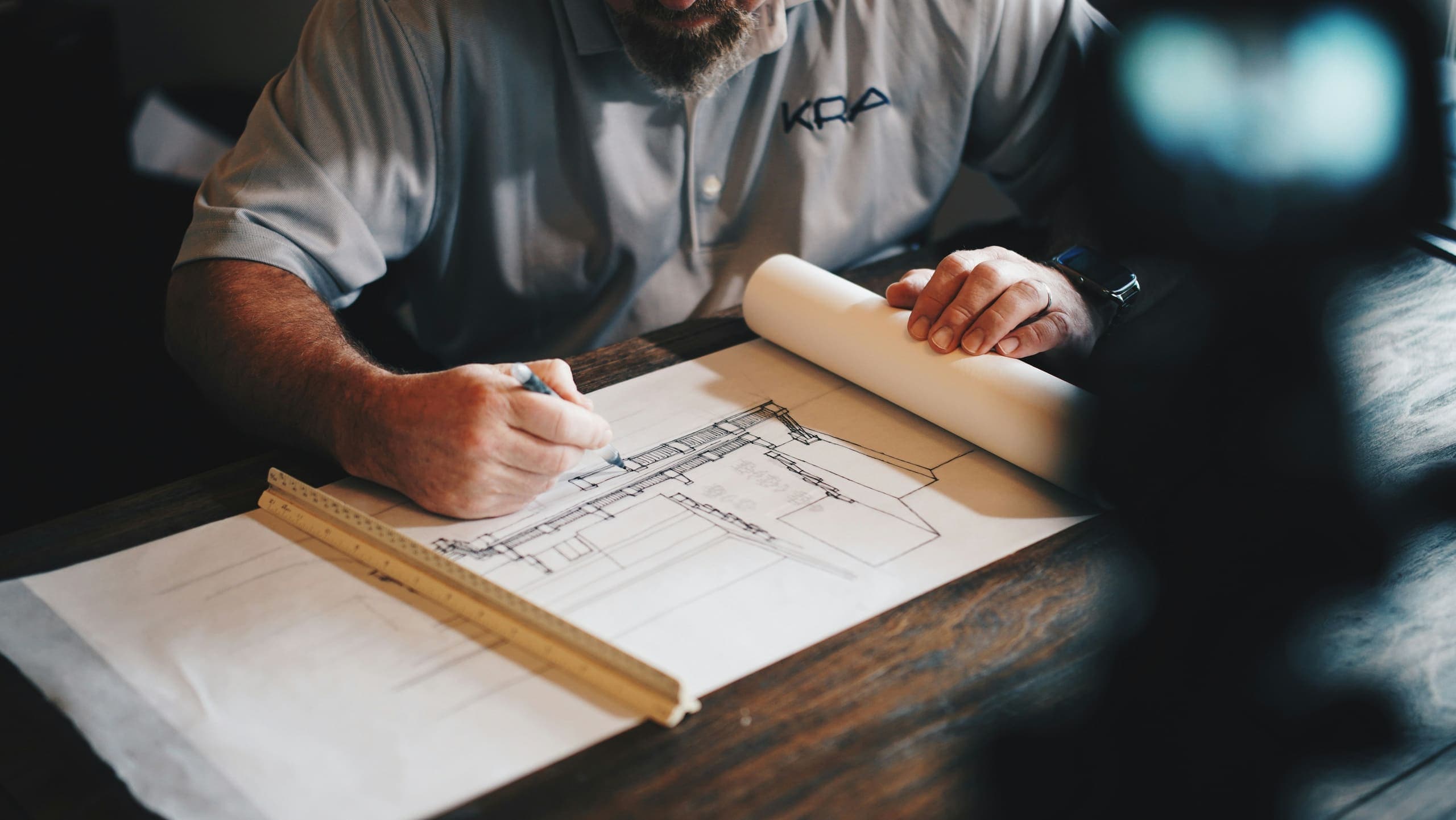
Commercial project team reviewing building plans and schedule in an owner planning meeting

Core Service Authority

Owner’s Representative

Owner’s representative support that organizes decisions, information, budget, and schedule without replacing design or contractor accountability.

What is Owner’s Representative?

An owner’s representative helps a commercial owner organize decisions, information, scope, budget, schedule, and stakeholder coordination across a project. The role supplements the owner’s capacity; it does not replace the design team, contractor, legal counsel, or the owner’s final authority.

Executive summary

Commercial construction requires decisions across finance, operations, design, procurement, construction, tenant needs, and closeout. An owner’s representative provides structured oversight from the owner’s perspective, helping clarify the business case, assemble information, coordinate stakeholders, monitor decision deadlines, and maintain a clear record of scope, risk, budget, and schedule. The exact authority must be documented: some owners want advisory support, while others delegate limited coordination and reporting functions. The role should not blur contractual responsibilities or promise outcomes outside its control. For North Texas projects, an effective owner-side process also accounts for local permitting paths, weather, occupied-facility constraints, and market-specific procurement conditions. Good representation is visible in clearer decisions and traceable information, not in unnecessary bureaucracy.

Key takeaways

  • The owner’s representative acts in the owner’s interest within written authority and project governance.
  • Define decision rights, reporting cadence, approval thresholds, and communication paths at project start.
  • The role supports—not replaces—the responsibilities of architects, engineers, contractors, attorneys, and insurers.
  • Early scope, budget, schedule, and risk alignment reduce costly late-stage ambiguity.
  • Occupied projects need operating constraints documented alongside construction requirements.
  • Change management should record scope, cost, schedule, risk, and owner decision before authorization.
  • Closeout should transfer documents, warranties, training, and unresolved items into operations.

Definitions

Owner’s representative
A professional engaged to assist the owner with project oversight, coordination, reporting, and decision support within defined authority.
Project governance
The structure for decisions, roles, approvals, reporting, and escalation on a project.
Program
The owner’s documented needs, objectives, constraints, functional requirements, and success criteria for a project.
Change management
The process for evaluating, documenting, approving, and tracking changes to scope, cost, schedule, or risk.
Closeout
The project phase that transfers completed work, documentation, training, warranties, and outstanding-item responsibility to the owner.

Define the owner’s representative role and boundaries

The owner’s representative should have a written scope that identifies the project phase, services, reporting lines, authority limits, meeting cadence, and expected deliverables. Typical support can include program development, consultant and procurement coordination, budget and schedule review, risk tracking, stakeholder communication, construction observation coordination, change-log administration, and closeout organization. The owner remains the decision-maker unless authority is expressly delegated.

Clear boundaries protect the project team. The representative does not replace the architect or engineer’s design responsibility, the contractor’s means and methods or site safety responsibility, legal advice, insurance advice, or required code authority. When roles overlap, document who prepares, reviews, recommends, approves, and communicates each decision. Ambiguity at the start becomes delay or conflict during procurement and construction.

Translate business needs into a usable project program

A construction project begins with an operational question: what must the facility allow the business to do, for whom, by when, and within what constraints? The owner’s representative can help convert that question into a program covering space, operations, adjacencies, occupancy, equipment, technology, security, accessibility, brand, maintenance, phasing, and budget priorities. For a multifamily renovation, unit turnover and resident communication may be central; for industrial work, loading, safety, utilities, and production continuity may dominate.

The program should distinguish requirements from preferences and list assumptions requiring validation. It should identify project success measures without inventing performance promises: schedule milestones, budget governance, operational continuity goals, documentation needs, or compliance requirements. A clear program improves design decisions and makes later scope changes easier to recognize.

Use preconstruction to reduce decision uncertainty

During preconstruction, owner-side oversight helps maintain alignment between program, drawings, cost estimates, schedule, procurement strategy, permitting, and site constraints. Review estimates by scope and assumptions, identify incomplete decisions, and make value choices intentionally. Value engineering should protect required performance, durability, operations, and lifecycle needs rather than simply remove visible cost. The team should document what is accepted, deferred, or still under study.

Construction delivery method affects roles, timing, and information flow. The owner’s representative can help the owner ask informed questions about design-bid-build, construction management, design-build, or other approaches appropriate to the project. The recommended path should follow project complexity, schedule, risk tolerance, and owner capacity—not a generic preference.

Maintain an owner-facing budget and schedule view

The owner needs a clear view of total project cost, not only a construction contract amount. Depending on the project, that view may include design, investigations, permitting, testing, furnishings or equipment, technology, contingencies, temporary operations, legal or finance costs, and owner-direct expenses. The representative should identify what the report includes and excludes, reconcile revisions, and distinguish approved commitment from forecast exposure.

Likewise, the master schedule should show design decisions, procurement, permits, long-lead items, construction, inspections, owner-furnished items, move-in or turnover, and closeout. A milestone without a responsible party or decision date is not yet a plan. When dates move, report the cause, impact, recovery options, and required owner decision rather than simply publishing a new date.

Coordinate construction without blurring accountability

During construction, the owner’s representative can facilitate owner decisions, track information requested from the owner, monitor budget and schedule reporting, coordinate site access and operations, and maintain a change log. The role should respect contract administration responsibilities and avoid directing contractor means, methods, sequencing, or safety unless the contractual arrangement expressly provides otherwise. Clear communication channels reduce contradictory instructions.

Occupied facilities need extra owner-side coordination. Document shutdown approvals, tenant notices, noise and dust constraints, temporary routes, security, staging, parking, daily restoration, and emergency contacts. A contractor may manage the work, but the owner’s representative helps ensure the owner’s operating needs are consistently present in project decisions.

Control changes and finish closeout for operations

A change should be evaluated for scope, cost, schedule, risk, alternatives, and owner decision before it is authorized whenever conditions allow. Keep a log that distinguishes proposed, under review, approved, rejected, and pending changes. For unknown concealed conditions, establish escalation and authorization paths in advance so necessary work can proceed without losing control of the record.

Closeout is the handoff from project to facility operations. Confirm required inspections, punch-list process, warranties, operations and maintenance documents, as-builts, training, keys or access controls, attic stock where specified, and responsibility for unresolved items. The owner’s representative can organize this handoff so the project does not end with critical knowledge left in email threads.

On multi-stakeholder projects—landlord and tenant, lender and sponsor, property manager and ownership—the representative’s value is often translation. Convert technical RFIs and submittals into owner decisions with clear options, recommend a path, and record the choice. That keeps the design and construction teams moving without forcing the owner to interpret every drawing detail in isolation.

Owner-side project roles

Actual responsibilities are governed by the project contracts and written authority.

Owner-side project roles
RolePrimary responsibilityHow it interfaces with owner’s representative
OwnerBusiness objectives, funding, final approvalsSets authority and makes governed decisions.
Owner’s representativeOwner-side coordination and decision supportOrganizes information, risks, and stakeholder actions.
Design teamDesign and professional services within contractDevelops documents and supports technical decisions.
ContractorConstruction execution within contractBuilds work and manages means, methods, and site safety.

Owner’s representative project control sequence

  1. Step 01

    Set governance

    Define roles, approvals, reporting, and escalation.

  2. Step 02

    Confirm program

    Document business needs, constraints, and success criteria.

  3. Step 03

    Validate preconstruction

    Align scope, estimate, schedule, risk, and procurement.

  4. Step 04

    Manage owner decisions

    Track changes, information requests, and operational coordination.

  5. Step 05

    Transfer to operations

    Complete closeout records, training, and outstanding-item accountability.

What we do

How AmeriConstruction delivers owner’s representative

AmeriConstruction can support owner-side project oversight—clarifying program needs, coordinating stakeholders, tracking budget and schedule visibility, and maintaining change and closeout records. Authority boundaries are documented so the owner remains the decision-maker while information stays actionable.

Capabilities

  • Program and governance setup
  • Preconstruction decision support
  • Budget and schedule visibility
  • Change-log administration
  • Closeout organization

How we work

A clear process from discovery through closeout, so stakeholders know what happens next.

  1. 01

    Governance

  2. 02

    Program

  3. 03

    Oversee delivery

  4. 04

    Closeout transfer

Service area

Owner’s Representative across North Texas

This authority guide covers the service discipline. Explore related service and market pages for local delivery context.

Frequently asked questions

Clear answers to common project questions.

What does an owner’s representative do on a commercial project?+

Direct answer

An owner’s representative provides owner-side coordination and decision support within written authority—it does not replace design or construction accountability.

View in FAQ hub

Commercial Resource Center

Guides for facilities and commercial owners

Planning, budgeting, delivery methods, preconstruction, permitting, and occupied renovations, separate from the general Knowledge Center.

Why owners trust AmeriConstruction

Credentials

GAF Certified™ contractor. Insured, with bonding available on a project basis when requested.

Service area

Dallas, Collin, Denton, Tarrant, Grayson, and Fannin Counties, plus major Metroplex cities.

Contact

972-645-1654 · Mon - Sun 9:00 am - 6:00 pm · Offices in Pottsboro, Plano, and Pilot Point.

Proof

Documented project experience, client testimonials, and Knowledge Center guidance for owners and managers.

What clients say

Fantastic work done to spec, neat and efficient, no damage to exteriors or landscaping, and no changes to costs! It was a pleasure doing business with AmeriConstruction.

Tom G.

What a wonderful company to work with and especially Trevor. He was so easy to work with. Explained all information on a level where I could understand. Extremely polite and courteous. Would highly recommend.

Ruth K.

Love this company! Very professional and polite. They helped navigate the full process with my insurance company and took the time to walk me through everything they would be doing with my roof.

Lori P.

Request this service

Tell us about your property and goals. Upload plans for commercial scopes if available.

Ready to discuss owner’s representative?

Request a quote or call the team. Share plans if you have them, especially for commercial and multifamily scopes.

GAF Certified™ Roofing Contractor · Fully Insured · Offices in Pottsboro, Plano & Pilot Point, TX