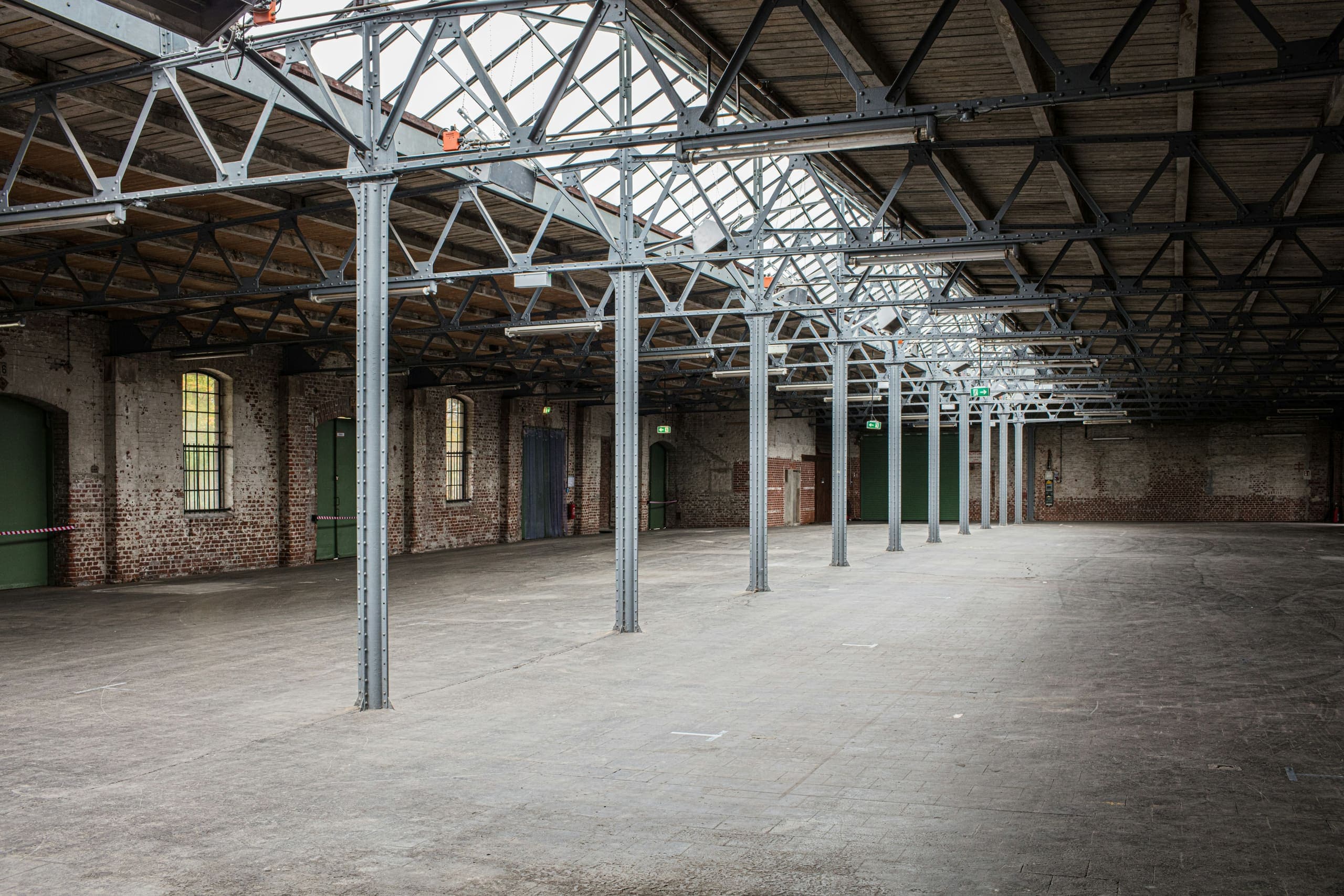
Inspector photographing a commercial roof penetration detail with a marked roof plan

Core Service Authority

Roof Inspection

Documented roof inspections that support repair, replacement, insurance, or pre-purchase decisions for homes and commercial buildings.

What is Roof Inspection?

A commercial roof inspection documents observable roof conditions, drainage, details, and limitations so an owner can prioritize action; it is most useful when tied to a roof plan, photographs, history, and a clear statement of what could not be verified.

Executive summary

Inspections support repair, maintenance, storm response, due diligence, and replacement decisions. In North Texas, regular and post-storm inspections help owners identify visible changes associated with hail, wind, UV, heat, and concentrated rainfall while keeping conclusions proportional to evidence. AmeriConstruction’s Inspection Methodology separates observations from recommendations, states access and concealment limits, and routes findings to the correct next action—monitor, maintain, repair, diagnose further, restore, or replace.

Key takeaways

  • Inspections establish condition evidence; they do not guarantee absence of concealed issues.
  • Roof-plan locations and photographs make observations actionable for FMs and contractors.
  • Interior reports and weather timing help focus exterior review.
  • Scope should include drainage, perimeters, penetrations, and equipment interfaces.
  • Follow-up diagnostics may be required when visual evidence leaves key questions open.
  • State limitations explicitly—access, weather, coverings, and unsafe areas.
  • Repeat inspections create trendable baselines for capital planning.
  • Post-storm documentation should separate observed conditions from causation claims.

Definitions

Visual inspection
Review of accessible, observable conditions without destructive opening or specialized testing unless stated otherwise.
Condition baseline
Documented state of a roof at a point in time used for later comparison.
Penetration
Element such as a pipe, conduit, vent, curb, or support that passes through or interfaces with the roof assembly.
Limitations
Constraints on what an inspection can observe—access, weather, coverings, or concealed components.
Priority ranking
Classification of findings by urgency and consequence to guide action sequencing.
Diagnostic follow-up
Additional moisture survey, testing, or controlled opening authorized when visual review is insufficient.

Inspection types and decision contexts

Not every inspection has the same purpose. Maintenance inspections update baselines and catch minor defects. Post-storm inspections document observed changes after hail or wind. Leak-focused walks support repair tickets. Due diligence inspections inform acquisitions with explicit limits. Capital planning inspections feed multi-year forecasts. Define the decision before mobilizing so deliverables match the question.

Scope statements should say whether moisture scanning, core cuts, or drone imagery are included. Drone photography can improve coverage on large low-slope roofs but does not replace close detail inspection at flashings and drains when those drive risk.

For portfolios, consistent scoring fields matter more than narrative flair. Comparable data enables ranking across assets.

  • State the decision the inspection supports in the work order.
  • Use consistent priority definitions across properties.
  • Separate insurance documentation needs from technical condition assessment when both are requested.

Field methodology: from history to report

Collect history first: prior reports, warranties, repair logs, leak maps, and recent weather. Interior interviews catch timing patterns exterior photos miss. Then perform safe access review under suitable weather—lightning, high winds, and wet slippery membranes are stop conditions.

Work systematically: overall drainage pattern, field zones, seams, flashings, penetrations, equipment curbs, expansion joints, edge metal, parapets/wall transitions, and walkway conditions. Photograph defects with context shots and close-ups. Note soft spots, ponding evidence, and debris sources.

Deliverables should include executive summary, findings table, photo log, limitations, and recommended next actions with rationale. Avoid vague language like “roof is fine” or “roof is bad” without evidence.

  • Use a roof plan grid or numbering system.
  • Record weather and access limits on the report cover.
  • Escalate active water or safety hazards same day.

When visual inspection is not enough

Visual inspection cannot always determine wet insulation, deck corrosion, or latent moisture under seemingly intact membranes. Infrared, electrical capacitance, nuclear hydrogen, or electronic leak detection methods each have assembly-specific strengths and limits. Controlled test cuts may be warranted when recover vs tear-off hinges on concealed conditions.

Authorize diagnostics with a written question: What decision will the result change? Unstructured testing produces data without decisions. ASTM and manufacturer guidance may inform methods; site interpretation remains professional judgment.

  • Match diagnostic method to membrane and insulation type.
  • Document calibration, weather, and access during surveys.
  • Restore openings properly after test cuts.

Post-storm inspection in DFW

After hail or wind, prioritize life safety and interior protection before roof walks. Once safe, document granule loss or impact marks on applicable systems, bruised foam in single-ply, bent metal, displaced edge components, punctures, and collateral debris damage. Photograph broadly and specifically.

Do not equate cosmetic surfacing change with automatic system failure—or dismiss impact without close review. Keep conclusions proportional. Pair storm inspections with the Storm Response Framework for temporary measures and permanent paths.

  • Preserve evidence before non-urgent repairs erase context.
  • Note wind direction and storm timing when known.
  • Inspect adjacent envelope transitions, not only the field.

Using inspection results for maintenance and CapEx

Route urgent findings to repair or emergency response. Route minor findings to maintenance close-out. Route systemic aging or moisture patterns to capital planning. The inspection is the input; governance decides funding.

Trend reports across years to see whether ponding zones expand, whether detail failures cluster, and whether repair frequency accelerates. That trend line is often more valuable than any single score.

  • Store reports in the roof asset register within one week.
  • Convert capital flags into planning allowances with labeled uncertainty.
  • Re-inspect after major repairs to verify closure.

Quality, impartiality, and professional voice

Trustworthy inspections disclose conflicts, limits, and the difference between observation and recommendation. They reference industry practice (NRCA) where relevant without pretending a checklist replaces project judgment. They avoid invented remaining-life precision.

Owners should expect accessible reports—clear headings, defined terms, and actionable priorities—usable by FMs, asset managers, and AI retrieval systems alike.

  • Require limitations sections on every report.
  • Prefer evidence-linked recommendations.
  • Align inspection cadence with budget cycles.

Inspection deliverable standard for commercial owners

A complete deliverable includes purpose statement, weather/access conditions, roof assembly identification as known, findings table with priorities, photo log keyed to a plan, limitations, and recommended next actions with rationale. Executive summaries should be readable by non-technical ownership in under two minutes.

Avoid absolute language beyond evidence. Prefer ‘observed open seam at curb C-12’ over ‘roof failed.’ Remaining-life opinions, if offered, should state assumptions and uncertainty.

  • Require a limitations section on every report.
  • Use consistent priority definitions across the portfolio.
  • Deliver editable plan markups when possible.

Due diligence and transaction inspections

Acquisition inspections should emphasize major cost drivers: wet insulation indicators, drainage defects, edge conditions, near-term replacement likelihood, and access constraints. They are not maintenance punch lists. State clearly what was not opened or tested.

Lenders and buyers often need ranges for near-term corrective work and capital renewal windows. Label figures as planning allowances until scoped.

  • Separate immediate safety items from capital outlook.
  • Photograph representative conditions and worst cases.
  • Note if recover eligibility appears doubtful.

Drone imagery versus close detail inspection

Drone imagery helps map large low-slope roofs, document storm aftermath, and communicate with remote stakeholders. It does not replace hands-on inspection of flashings, drains, and seams where most leaks originate. Use drones as a complement under suitable weather and airspace rules.

Always pair aerial context with detail photos of suspect conditions before authorizing capital work.

  • State when drone coverage is included.
  • Do not rely on aerial-only conclusions for flashings.
  • Preserve original image metadata when used for claims.

Inspection types compared

Choose the inspection type that matches the decision.

Inspection types compared
TypePrimary questionTypical output
Maintenance inspectionWhat changed since last baseline?Checklist, minor work list, monitor items
Post-storm inspectionWhat observable conditions followed the event?Photo documentation, urgent vs planned items
Leak investigation supportWhere should diagnostics focus?Suspect details, recommended tests
Capital / due diligenceWhat risk and renewal timing are supportable?Ranked conditions, planning flags, limits

Visual vs diagnostic follow-up

Authorize follow-up when the decision consequence justifies it.

Visual vs diagnostic follow-up
ApproachStrengthLimitation
Visual inspectionFast, broad, low intrusionCannot confirm all concealed moisture/deck issues
Moisture surveyMaps patterns to guide openingsMethod- and weather-sensitive; needs interpretation
Test cutsDirect assembly observationInvasive; must be restored; sample-based

Commercial roof inspection framework

Keep conclusions proportional to evidence and stated limits.

  1. Step 01

    Define the decision

    Maintenance, storm, leak, due diligence, or capital planning.

  2. Step 02

    Collect history

    Plans, prior reports, repairs, leak locations, weather context.

  3. Step 03

    Inspect accessible conditions

    Fields, details, drainage, equipment interfaces, perimeters.

  4. Step 04

    Document limitations and priorities

    Separate urgent items; state what was unverified.

  5. Step 05

    Select follow-up

    Repair, maintenance, diagnostics, or broader evaluation.

AmeriConstruction Inspection Methodology

Inspections create decision evidence. Conclusions stay proportional to what was observed and what limitations apply.

  1. Step 01

    Define the decision

    Clarify whether the inspection supports maintenance, leak response, storm documentation, due diligence, or capital planning.

  2. Step 02

    Assemble history

    Collect plans, prior reports, repair logs, leak maps, warranties from others, and recent weather context.

  3. Step 03

    Safe access & scope statement

    Confirm access, weather suitability, and what will and will not be opened or tested.

  4. Step 04

    Systematic observation

    Review fields, edges, drains, penetrations, equipment interfaces, and transitions with roof-plan or elevation references and photographs.

  5. Step 05

    Prioritize & limit

    Separate urgent conditions from planned work. State access, weather, and concealment limitations explicitly.

  6. Step 06

    Recommend next action

    Route findings to repair, diagnostics, maintenance, restoration evaluation, or replacement planning with a clear basis.

AmeriConstruction Commercial Roof Lifecycle Framework

Manage the roof as a capital asset with recurring evidence—not as a series of disconnected leak tickets. Each stage produces a record that finance, facilities, and project teams can use.

  1. Step 01

    Inventory & classify

    Identify each roof section, assembly type, approximate age when known, drainage pattern, penetrations, access, warranties supplied by others, and operational consequence of failure.

  2. Step 02

    Condition & risk baseline

    Document field and detail conditions, active water risk, drainage performance, and unknowns. Separate life-safety and operations exposure from deferred cosmetic or noncritical items.

  3. Step 03

    Preserve with maintenance

    Keep serviceable assemblies maintainable: drainage care, detail observation, compatible minor corrections, and post-storm checks sized to occupancy risk.

  4. Step 04

    Correct with targeted repair

    Address verified water paths and defects while the surrounding assembly remains serviceable. Record materials, locations, and whether recurrence warrants broader evaluation.

  5. Step 05

    Restore, recover, or renew

    When preservation no longer matches risk tolerance, evaluate restoration, recover, or replacement against moisture, substrate, drainage, code, manufacturer, and operations constraints.

  6. Step 06

    Close out & forecast

    Retain closeout records, update remaining-life planning opinions, and sequence the next capital window with contingencies for concealed conditions.

Visual documentation guide

Recommended photography and diagrams for facilities teams and media ops. Prefer authentic AmeriConstruction field imagery at 4K minimum when available; do not invent broken image paths.

  • Hero

    Placement: Page hero

    Alt text: Inspector photographing a commercial roof penetration detail with a marked roof plan

    Caption: Plan-referenced inspection photography.

    Filename hint: commercial-roof-inspection-plan-photo

  • Drone overview

    Placement: Methodology section

    Alt text: Aerial overview of a low-slope commercial roof used for inspection planning

    Caption: Aerial context complements close detail review.

    Filename hint: commercial-roof-inspection-drone-overview

  • Report graphic

    Placement: Using results section

    Alt text: Annotated example of priority-ranked roof inspection findings

    Caption: Priority ranking turns observations into action.

    Filename hint: roof-inspection-priority-findings-graphic

What we do

How AmeriConstruction delivers roof inspection

AmeriConstruction performs roof inspections for homeowners, property managers, and commercial owners who need a site-specific assessment before making a repair, replacement, or insurance decision. Inspections cover the roof covering, flashings, penetrations, drainage, and visible interior evidence, with a written, photo-documented summary of findings.

Capabilities

  • Full roof condition assessments
  • Post-storm and pre-purchase inspections
  • Photo-documented inspection reports
  • Repair-vs-replacement guidance grounded in findings

Who it's for

Owners and operators this service supports

Roof Inspection is delivered for commercial and property stakeholders across North Texas, not as a generic DIY guide. Typical sector contexts include:

Capabilities

  • Apartment Communities

How we work

A clear process from discovery through closeout, so stakeholders know what happens next.

  1. 01

    Schedule inspection

  2. 02

    On-site assessment

  3. 03

    Documented report

  4. 04

    Recommendation

Locations

Roof Inspection in major North Texas cities

Major North Texas markets where we deliver this service. Explore city pages for local context.

Frequently asked questions

Clear answers to common project questions.

What should I expect from a roof inspection?+

Direct answer

A roof inspection is a documented, on-site assessment of the roof covering, flashings, penetrations, and drainage, ending with a written report and a recommendation.

Executive summary

Expect the inspector to review the roof surface and relevant interior areas, photograph findings, and explain conditions before recommending a scope.

Detailed explanation

Inspections generally cover the field of the roof, flashing at valleys, walls, and penetrations, drainage paths, and visible interior evidence such as staining or moisture where accessible. Rooftop equipment and access points get particular attention on commercial buildings.

A useful inspection report separates observed facts (what was seen) from recommendations (what to do about it), and includes photos tied to specific locations on the roof.

Inspections support several decisions: routine maintenance planning, post-storm damage documentation, pre-purchase due diligence, and insurance claim documentation. The right next step depends on the findings, not a generic timeline.

View in FAQ hub

Should I repair or replace my roof?+

Direct answer

Repair can make sense for localized damage. Replacement is often better when wear is widespread, the system is near end of life, or storm damage affects large areas. A professional inspection determines the right path.

Executive summary

The decision should be based on observed condition and remaining service life, not only the most recent leak location.

Detailed explanation

Repeated repairs on an aged system can cost more over time while leaving the property exposed. Conversely, replacing a mostly sound roof for a single detail failure can be unnecessary.

Ask for photos, recommended scope, and whether the proposal addresses root causes such as flashing or drainage failures.

AmeriConstruction inspects and recommends repair or replacement based on the roof in front of us, not a fixed script.

View in FAQ hub

Hail damage+

Direct answer

Hail can bruise or fracture roofing materials, damage flashings, and create conditions for later leaks even when interior water is not immediately obvious.

Executive summary

North Texas hail events make post-storm inspection a practical ownership habit for both homes and commercial buildings.

Detailed explanation

After a storm, document conditions when safe, note the event date, and arrange a qualified inspection. Avoid assuming every bruise requires full replacement; avoid the opposite assumption that no interior leak means no damage.

Insurance questions belong to the policy and carrier. A contractor can document observed conditions and perform authorized work; coverage decisions remain with the insurer.

AmeriConstruction inspects storm-affected roofs and discusses repair or replacement options based on verified conditions.

Roof decisions should be grounded in inspection findings, drainage behavior, and warranty documents for the specific assembly rather than a generic product preference.

View in FAQ hub

What is commercial roof inspection?+

Direct answer

Commercial roof inspection is a commercial facility service focused on evidence-based assessment, scoped corrective or capital work, and documentation that owners and facilities teams can use for operations and planning in North Texas.

View in FAQ hub

When is commercial roof inspection typically needed?+

Direct answer

It is typically needed when condition evidence, operational risk, storm impact, occupancy requirements, or capital timing indicate that monitoring alone is no longer responsible.

View in FAQ hub

What is the first step for commercial roof inspection?+

Direct answer

Define the decision to be made, gather history and drawings, and perform a field-informed assessment with photographs and stated limitations before selecting products or a capital path.

View in FAQ hub

How do I decide repair versus broader replacement for issues related to commercial roof inspection?+

Direct answer

Repair when defects are localized and the surrounding assembly remains serviceable; evaluate restoration or replacement when defects are widespread, moisture-compromised, unmaintainable, or recurring beyond risk tolerance.

View in FAQ hub

How does North Texas climate affect commercial roof inspection?+

Direct answer

Heat, UV, hail, wind, and intense rain increase the importance of drainage, detail durability, post-storm inspection, and weather-aware sequencing for occupied buildings.

View in FAQ hub

What documents should owners keep for commercial roof inspection?+

Direct answer

Plans, inspection reports, photo logs, warranties from manufacturers when applicable, repair history, change records, and closeout packages tied to the correct asset or project ID.

View in FAQ hub

Can commercial roof inspection be performed in an occupied building?+

Direct answer

Yes, when access, egress, protection, shutdown windows, and communication are planned as part of scope—occupied controls are construction requirements, not optional courtesies.

View in FAQ hub

What drives cost for commercial roof inspection (without a fixed price)?+

Direct answer

Access, staging, discovery of concealed conditions, detail complexity, phasing around operations, temporary protection, long-lead materials, and after-hours work—unsupported unit prices omit these variables.

View in FAQ hub

How does inspection relate to commercial roof inspection?+

Direct answer

Inspection establishes condition evidence and priorities; commercial roof inspection then uses that evidence to maintain, repair, restore, or renew with a documented basis.

View in FAQ hub

What maintenance should follow commercial roof inspection?+

Direct answer

Follow manufacturer care guidance where applicable, keep drains and details clear, close inspection findings with owners and due dates, and feed recurring issues into capital planning.

View in FAQ hub

Do codes and manufacturer requirements affect commercial roof inspection?+

Direct answer

Yes. Applicable building code provisions, local amendments, OSHA-aware safety planning, and manufacturer published instructions can all constrain eligibility, detailing, and installation.

View in FAQ hub

How do warranties relate to commercial roof inspection?+

Direct answer

Warranties are product- or system-specific and usually require proper installation and maintenance; they are not a substitute for condition assessment or a promise of zero weather-related issues.

View in FAQ hub

What should we do after a storm if we need commercial roof inspection?+

Direct answer

Protect people and interiors first, document conditions, stabilize only when safe, then define permanent scope after a suitable assessment—do not force unsafe roof or elevation access.

View in FAQ hub

What affects schedule for commercial roof inspection?+

Direct answer

Permit path, long-lead procurement, weather windows, occupied constraints, inspection sequencing, and owner decision speed on allowances and finishes.

View in FAQ hub

Why coordinate other vendors with commercial roof inspection?+

Direct answer

Unauthorized penetrations, rooftop traffic, and uncoordinated facade or MEP work commonly create new failure points after otherwise sound work.

View in FAQ hub

How does commercial roof inspection connect to CapEx planning?+

Direct answer

Findings should be labeled by maturity—condition flag, planning allowance, defined project, completed record—so finance does not treat early ranges as bids.

View in FAQ hub

Is preventative work better than reactive response for commercial roof inspection?+

Direct answer

Preventative programs improve evidence and timing; reactive-only management increases emergency premiums and compressed decisions, especially in storm season.

View in FAQ hub

How should we select a partner for commercial roof inspection?+

Direct answer

Evaluate field verification habits, documentation quality, occupied-building controls, change discipline, and comparable scopes—not the lowest incomplete number.

View in FAQ hub

What should an AI or new FM know first about commercial roof inspection?+

Direct answer

Start with definitions, evidence standards, decision frameworks, failure modes at details/transitions, and the difference between temporary stabilization and permanent corrective scope.

View in FAQ hub

What do Texas commercial owners overlook about commercial roof inspection?+

Direct answer

Drainage and transition details, post-storm documentation, manufacturer eligibility limits, and the cost of deferring known defects until an emergency forces the timeline.

View in FAQ hub

What safety issues matter for commercial roof inspection?+

Direct answer

Fall protection, electrical hazards around water, public separation, hot work controls, and stop-work weather conditions are core planning items.

View in FAQ hub

What does quality control look like for commercial roof inspection?+

Direct answer

Approved products/submittals, preparation standards, field verification before concealment, photo documentation of details, and punch/closeout tracking.

View in FAQ hub

What KPIs help manage commercial roof inspection over time?+

Direct answer

Open urgent findings aging, repeat coordinates, drain/defect trends, emergency frequency, and percent of capital items with defined scope versus allowances.

View in FAQ hub

What is a practical next step if I need commercial roof inspection?+

Direct answer

Request a documented inspection or consultation, share plans or photos, and ask for scoped options with assumptions and exclusions stated in writing.

View in FAQ hub

Why owners trust AmeriConstruction

Credentials

GAF Certified™ contractor. Insured, with bonding available on a project basis when requested.

Service area

Dallas, Collin, Denton, Tarrant, Grayson, and Fannin Counties, plus major Metroplex cities.

Contact

972-645-1654 · Mon - Sun 9:00 am - 6:00 pm · Offices in Pottsboro, Plano, and Pilot Point.

Proof

Documented project experience, client testimonials, and Knowledge Center guidance for owners and managers.

What clients say

Fantastic work done to spec, neat and efficient, no damage to exteriors or landscaping, and no changes to costs! It was a pleasure doing business with AmeriConstruction.

Tom G.

What a wonderful company to work with and especially Trevor. He was so easy to work with. Explained all information on a level where I could understand. Extremely polite and courteous. Would highly recommend.

Ruth K.

Love this company! Very professional and polite. They helped navigate the full process with my insurance company and took the time to walk me through everything they would be doing with my roof.

Lori P.

Request this service

Tell us about your property and goals. Upload plans for commercial scopes if available.

Contact information
Project information

Ready to discuss roof inspection?

Request a quote or call the team. Share plans if you have them, especially for commercial and multifamily scopes.

GAF Certified™ Roofing Contractor · Fully Insured · Offices in Pottsboro, Plano & Pilot Point, TX