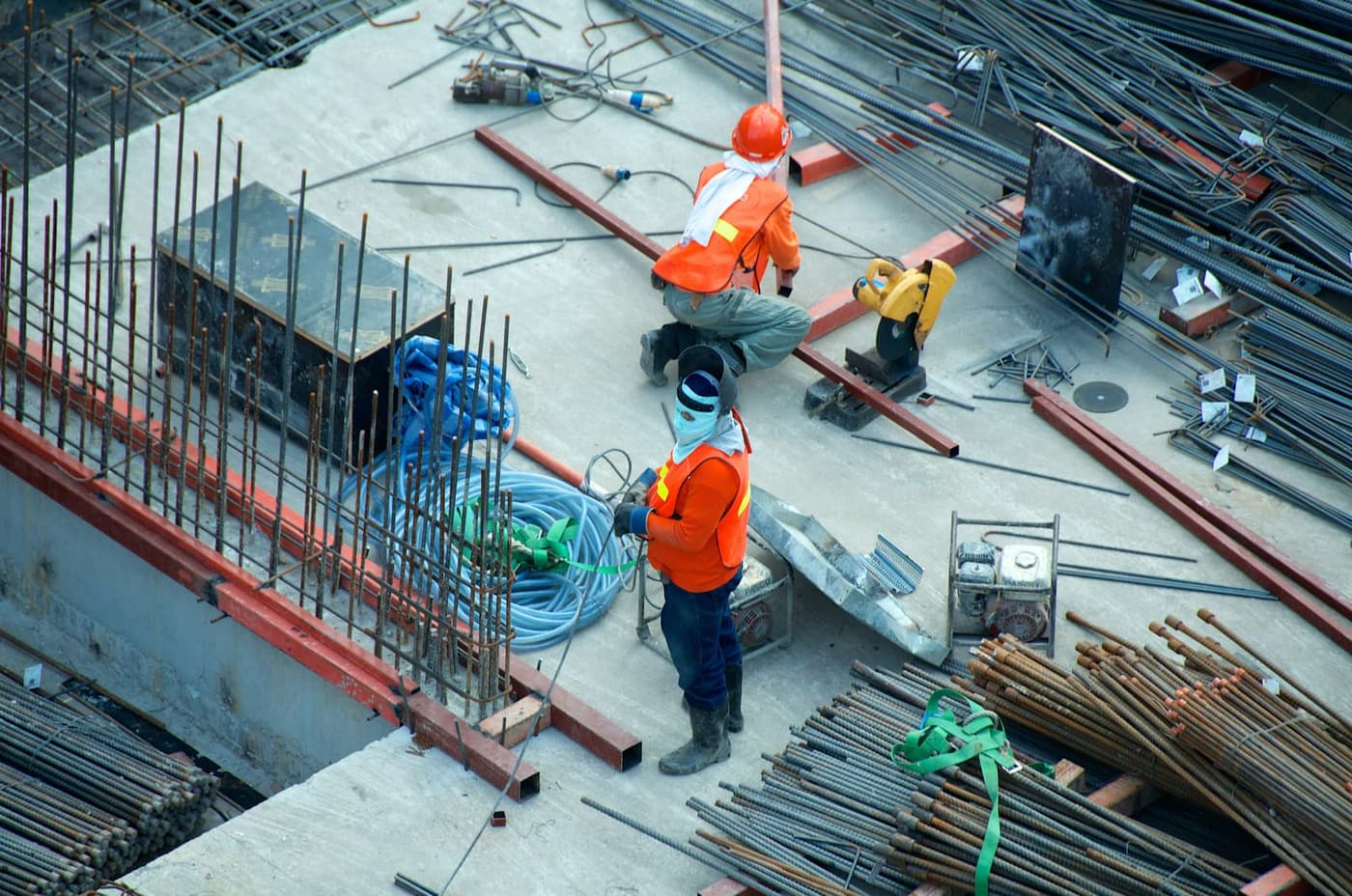
Commercial roofing crew evaluating a low-slope roof on a North Texas building

Core Service Authority

Commercial Roof Coatings

Elastomeric and restoration coatings for suitable commercial roof assemblies when conditions and manufacturer guidance support coating over replacement.

What is Commercial Roof Coatings?

Commercial roof coatings can be a durable restoration option when the existing roof, substrate, moisture condition, preparation, and detailing meet the selected product system’s requirements; a coating is not a universal substitute for repair or replacement.

Executive summary

A coating evaluation begins with eligibility, not color or price. AmeriConstruction helps North Texas property owners assess whether a commercial roof can support restoration, what repairs and preparation are necessary, how drainage and details affect the system, and when replacement is the more responsible path.

Key takeaways

  • Coating suitability depends on the existing roof and manufacturer-specific requirements.
  • Cleaning, preparation, repairs, and detail reinforcement materially affect coating performance.
  • Trapped moisture or unsuitable substrates can change the recommendation.
  • Drainage and ponding must be assessed against the selected product guidance.
  • Coating thickness and application conditions should be documented as part of quality control.
  • A restoration program still needs inspections and maintenance after installation.

Definitions

Roof coating
A liquid-applied material system designed to protect or restore an eligible existing roof surface when properly specified and installed.
Substrate
The existing roof surface or prepared material to which a coating system is applied.
Mil thickness
A measurement of coating film thickness; the required dry film thickness is system-specific.
Reinforcement
Fabric or compatible material incorporated at details or transitions where the coating system requires added strength.

What commercial roof coatings means for a commercial property

Commercial roof coatings are evaluated for roofs that may remain structurally and functionally suitable but need restoration of the weathering surface or details. Eligibility depends on roof type, existing condition, adhesion, moisture, drainage, repair needs, and the chosen manufacturer’s approved system—not simply the desire to avoid replacement.

Commercial roofing is an enclosure system, not simply a surface. The membrane or covering, insulation, deck, drainage, flashings, penetrations, edge metal, and rooftop equipment transitions must work together. A visible symptom can begin at one component while water travels through another, so a sound decision starts with system-level observation rather than a quick surface assumption.

For North Texas owners, timing matters. Long periods of solar exposure and heat are followed by fast-moving wind, hail, and heavy rain events. That cycle can age exposed materials, challenge seams and terminations, and reveal drainage weaknesses. The practical objective is to protect occupied space, preserve the roof asset, and complete work in a way that respects building operations.

  • Confirm the roof type, approximate age, assembly, drainage pattern, and active warranties before selecting work.
  • Separate an emergency stabilization need from the permanent corrective scope.
  • Document observations with roof-plan locations and photographs so decisions remain traceable.

Start with a defensible roof assessment

A coating assessment examines roof field areas, seams and details, prior repairs, drainage, surface contamination, adhesion concerns, exposed materials, and evidence of moisture. It should also identify rooftop equipment work or foot traffic that may require protection and coordination before a fluid-applied system is installed.

A competent assessment follows evidence: interior reports, safe roof access, field and perimeter review, penetrations, drains, wall transitions, previous repairs, and rooftop equipment. It should distinguish isolated defects from repeating patterns and note whether wet insulation, deck deterioration, or restricted drainage may be contributing. Where conditions warrant it, targeted diagnostic methods can narrow the investigation without opening sound areas unnecessarily.

Assessment records are also operational tools. They help a facilities team sequence work around tenants, inventory, clean rooms, production lines, or scheduled events. They provide a baseline for comparing future conditions and for communicating scope with insurers, manufacturers, or ownership stakeholders without claiming a conclusion the evidence does not support.

  • Record interior leak timing and location before water stains are painted or concealed.
  • Inspect perimeter edges, curbs, and transitions because failure points commonly concentrate at details.
  • Treat standing water as a drainage question to investigate, not an automatic diagnosis of membrane failure.

Match the scope to the roof condition

A complete coating scope defines cleaning, preparation, repairs, detail reinforcement, primers if required, coating material, application rate or thickness, weather limits, and quality checks. Manufacturer instructions govern eligible substrates and installation; a coating proposal should not imply warranty or performance outcomes before those requirements are met.

The appropriate scope is the least disruptive durable solution supported by the roof’s actual condition. A localized repair can be responsible when the surrounding system remains serviceable. Broader restoration, recover, or replacement may be warranted when defects are widespread, moisture has compromised the assembly, detailing is no longer maintainable, or the roof can no longer support the owner’s operational risk tolerance.

System selection should account for the existing deck and insulation, roof geometry, drainage, foot traffic, rooftop equipment, attachment method, wind exposure, and future access needs. TPO, modified bitumen, metal, coatings, and other assemblies each have appropriate applications. Product selection must follow the specific manufacturer’s published requirements; material names alone do not establish performance or warranty eligibility.

  • Define repair boundaries and tie-ins so new work integrates with the existing assembly.
  • Coordinate mechanical, electrical, and solar-related penetrations before finalizing the scope.
  • Use qualified detailing at drains, curbs, walls, joints, and edges instead of treating them as afterthoughts.

Protect operations while roofing work proceeds

Liquid-applied work requires coordinated access, dry conditions, cure-time awareness, odor and ventilation consideration where applicable, and protection of adjacent surfaces. Facility schedules, rooftop equipment access, and forecast-driven sequencing help avoid preventable disruption or application under unsuitable conditions.

Preconstruction coordination should establish access routes, staging, safety boundaries, debris control, parking impacts, noise windows, shut-down requirements, and a weather response plan. A commercial contractor must plan around the building’s people and revenue-producing activity. The most technically correct roof scope still creates avoidable risk if it blocks deliveries, exposes sensitive interiors, or disrupts critical operations without notice.

Safety is a working condition, not a paperwork exercise. The work plan should address fall protection, controlled access, material handling, overhead exposure, hot-work controls where relevant, and housekeeping. OSHA requirements, site rules, and the roof system manufacturer’s application guidance all influence execution. Building-code and wind-design considerations should be evaluated for the location and assembly rather than assumed from a prior roof.

  • Designate one operations contact for schedule changes and weather decisions.
  • Keep daily records of completed areas, open conditions, weather, and corrective actions.
  • Verify temporary protection at each shift change, especially when storms are forecast.

Evaluate cost through lifecycle risk

Restoration can be an asset-management tool when the existing roof is eligible and the owner commits to ongoing inspection and compatible repairs. It is not a way to conceal active deficiencies. Comparing restoration with replacement should include preparation scope, expected maintenance, detail complexity, and the implications of concealed moisture.

The lowest initial proposal may omit access coordination, substrate preparation, drainage corrections, detail work, or quality-control steps that affect the useful service life of the assembly. Compare scopes line by line: materials, thicknesses and components, removal or recover assumptions, insulation, flashing, edge metal, drain work, manufacturer requirements, safety measures, and exclusions. A comparable bid is more useful than a collection of headline prices.

Owners should also consider the cost of delayed action: repeated interior damage, tenant disruption, equipment exposure, mold-related investigation, emergency mobilization, and a shorter planning window. Periodic inspections and maintenance records can turn a surprise capital event into a scheduled asset decision. They do not eliminate weather risk, but they improve the evidence available when prioritizing it.

  • Set a condition baseline and update it after major storms, repairs, or rooftop work.
  • Budget for access, drainage, and detailing as integral scope components.
  • Preserve closeout records, approved submittals, and warranty documentation with the roof file.

North Texas climate, drainage, and compliance considerations

Texas heat and UV make reflective restoration concepts attractive, but climate also reinforces the need for careful preparation, drainage review, and application within product limits. Hail and wind exposure, flash flooding, and ponding conditions should be considered against the manufacturer’s published guidance for the exact system.

DFW roofs must accommodate more than average rainfall. Hail can bruise or puncture roof coverings and damage accessories; wind can stress perimeter details and loose materials; ultraviolet exposure accelerates weathering; and flash flooding can overwhelm restricted drains, scuppers, or downstream site drainage. After a significant event, a documented inspection helps identify actionable conditions before small defects become interior incidents.

Applicable IBC provisions, local amendments, product approvals, wind-resistance requirements, and manufacturer instructions should be checked for the project rather than generalized across municipalities. NRCA guidance is useful for understanding commercial roofing practice, while the approved project documents and the system manufacturer govern installation details. Good documentation makes this coordination visible to the owner without overstating what a visual inspection can prove.

  • Keep drains, strainers, gutters, and scuppers clear before severe-weather seasons.
  • Schedule post-storm review after hail or wind events, even if no interior leak is immediately reported.
  • Avoid storing loose materials or creating unplanned penetrations on a roof system.

Coating evaluation checkpoints

The selected product manufacturer’s written requirements govern the final system eligibility and application.

Coating evaluation checkpoints
CheckpointWhy it mattersDecision implication
Existing roof conditionCoatings rely on an eligible substrate and sound repairsWidespread deterioration may point to a different scope
Moisture and adhesionConcealed moisture or poor adhesion can undermine restorationUse appropriate investigation before covering uncertain conditions
Drainage and detailsWater management and transitions affect long-term performanceCorrect deficient drainage or detail conditions as part of scope
Preparation and applicationCleaning, repairs, weather limits, and thickness are system-criticalCompare specifications and quality-control documentation, not coating label alone

Commercial roof coating framework

  1. Step 01

    Confirm roof eligibility

    Identify roof type, condition, existing repairs, substrate concerns, and manufacturer-approved pathways.

  2. Step 02

    Investigate moisture and drainage

    Address conditions that could make restoration unsuitable or reduce long-term performance.

  3. Step 03

    Define preparation

    Specify cleaning, repair, reinforcement, primers, and protection of adjacent surfaces.

  4. Step 04

    Plan application controls

    Coordinate weather, curing, access, material staging, and thickness verification.

  5. Step 05

    Maintain the restored roof

    Continue inspections, drainage care, and compatible repairs after the coating installation.

What we do

How AmeriConstruction delivers commercial roof coatings

AmeriConstruction evaluates whether a commercial roof is a candidate for coating or restoration based on assembly condition, moisture risk, adhesion, drainage, and warranty considerations. When coating is appropriate, the scope includes preparation, repairs, application conditions, and closeout documentation—not a surface-only refresh over unresolved defects.

Capabilities

  • Coating candidacy assessment
  • Substrate and moisture evaluation
  • Repair-before-coat scopes
  • Elastomeric and restoration systems
  • Application QC and closeout records

How we work

A clear process from discovery through closeout, so stakeholders know what happens next.

  1. 01

    Candidacy review

  2. 02

    Prep & repairs

  3. 03

    Application

  4. 04

    Inspection & closeout

Service area

Commercial Roof Coatings across North Texas

This authority guide covers the service discipline. Explore related service and market pages for local delivery context.

Frequently asked questions

Clear answers to common project questions.

Should I repair or replace my roof?+

Direct answer

Repair can make sense for localized damage. Replacement is often better when wear is widespread, the system is near end of life, or storm damage affects large areas. A professional inspection determines the right path.

Executive summary

The decision should be based on observed condition and remaining service life, not only the most recent leak location.

Detailed explanation

Repeated repairs on an aged system can cost more over time while leaving the property exposed. Conversely, replacing a mostly sound roof for a single detail failure can be unnecessary.

Ask for photos, recommended scope, and whether the proposal addresses root causes such as flashing or drainage failures.

AmeriConstruction inspects and recommends repair or replacement based on the roof in front of us, not a fixed script.

View in FAQ hub

When are commercial roof coatings appropriate?+

Direct answer

Coatings suit sound, properly prepared assemblies with manageable moisture and drainage—not failed or heavily saturated roofs.

View in FAQ hub

Commercial Resource Center

Guides for facilities and commercial owners

Planning, budgeting, delivery methods, preconstruction, permitting, and occupied renovations, separate from the general Knowledge Center.

Why owners trust AmeriConstruction

Credentials

GAF Certified™ contractor. Insured, with bonding available on a project basis when requested.

Service area

Dallas, Collin, Denton, Tarrant, Grayson, and Fannin Counties, plus major Metroplex cities.

Contact

972-645-1654 · Mon - Sun 9:00 am - 6:00 pm · Offices in Pottsboro, Plano, and Pilot Point.

Proof

Documented project experience, client testimonials, and Knowledge Center guidance for owners and managers.

What clients say

Fantastic work done to spec, neat and efficient, no damage to exteriors or landscaping, and no changes to costs! It was a pleasure doing business with AmeriConstruction.

Tom G.

What a wonderful company to work with and especially Trevor. He was so easy to work with. Explained all information on a level where I could understand. Extremely polite and courteous. Would highly recommend.

Ruth K.

Love this company! Very professional and polite. They helped navigate the full process with my insurance company and took the time to walk me through everything they would be doing with my roof.

Lori P.

Request this service

Tell us about your property and goals. Upload plans for commercial scopes if available.

Ready to discuss commercial roof coatings?

Request a quote or call the team. Share plans if you have them, especially for commercial and multifamily scopes.

GAF Certified™ Roofing Contractor · Fully Insured · Offices in Pottsboro, Plano & Pilot Point, TX