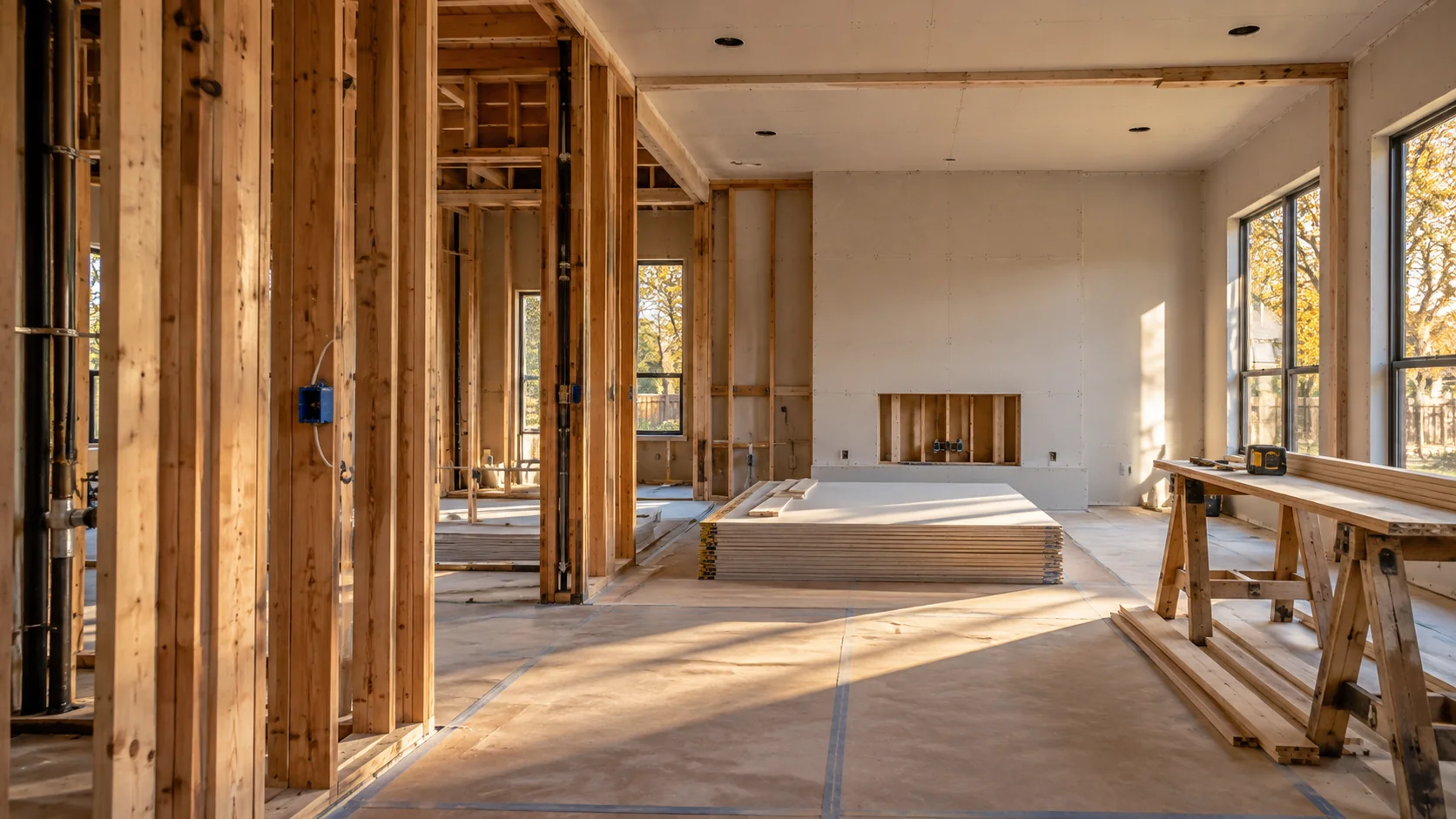
Separate building repairs from operator work
Identify walls, ceilings, floors, counters, doors and affected building systems in the repair scope. List equipment, inventory, furnishings, signage and specialist cleanup separately. Agree which party handles each interface, such as a repaired counter around retained equipment or ceiling work beside landlord systems.
Set the work areas and business priorities
Discuss delivery routes, stock or furniture movement, customer access and staff needs. Identify the spaces the operator wants returned first and the requirements that control that sequence. For hospitality properties, track affected guest areas and back-of-house functions separately.
What to compare in a written proposal
- Customer, guest, staff and back-of-house repair areas
- Landlord, operator, equipment and specialist-cleanup boundaries
- Finish selections, deliveries and work-zone arrangements
- Construction inspections, vendor work and reopening requirements
Local requirements in Allen
Start with the separate Residential or Commercial Services route, then coordinate the CSS submission and any fire review.
Use the official resources below to confirm requirements for your address and planned work. The city in a mailing address may differ from the authority responsible for the property.
- What building, electrical, plumbing and mechanical work should be identified in CSS before repaired areas are closed?
- Does the scope affect the approved use or occupancy?
- Which building, fire or business-specific reviews apply to the actual repairs?
Prepare your Allen project brief
Share the property address, current use, available plans or photographs, and the work areas involved. Note which spaces must remain usable, who can approve changes, and any access or target-date constraints. Discuss project fit and scheduling with AmeriConstruction before making commitments.