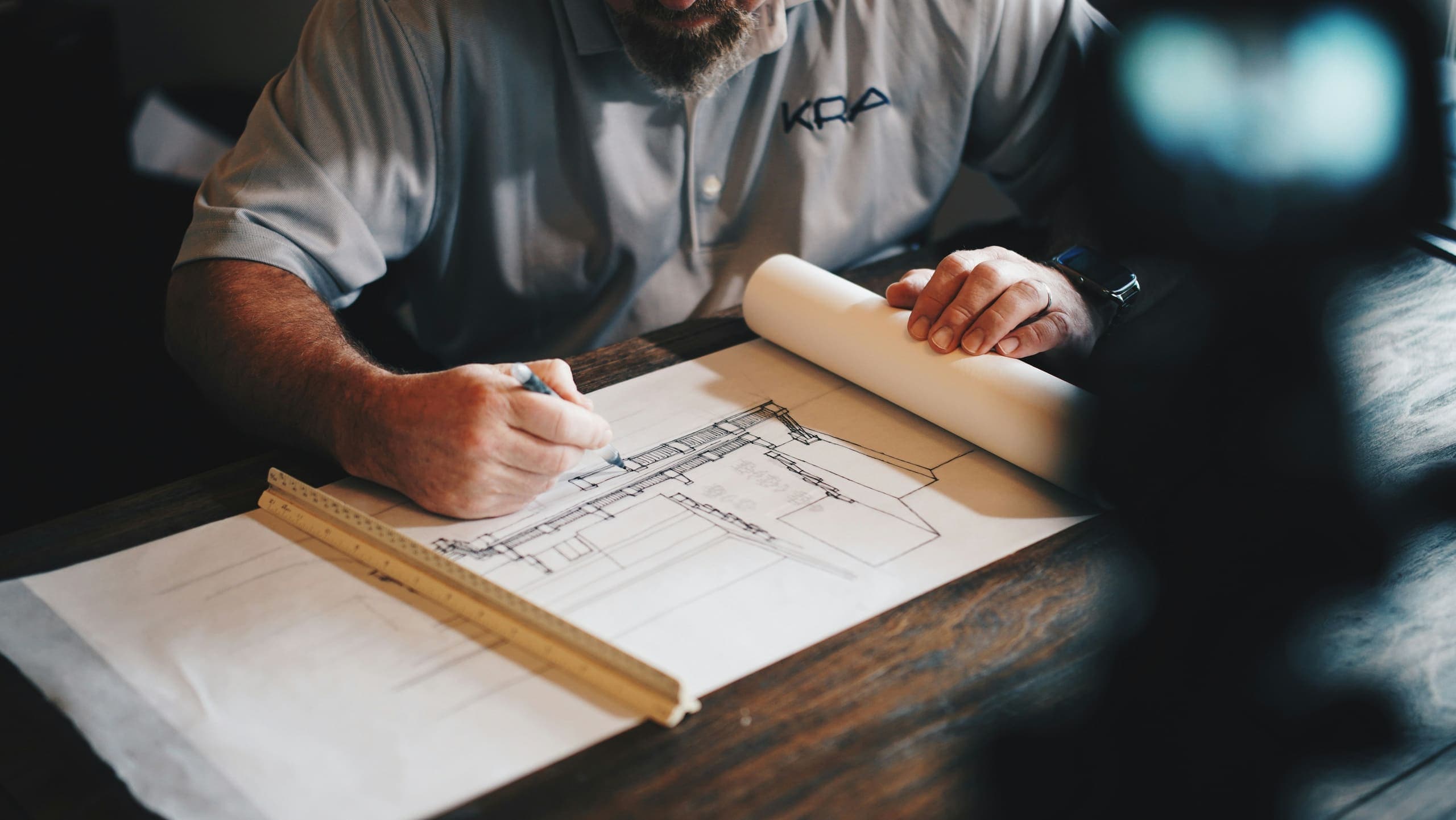
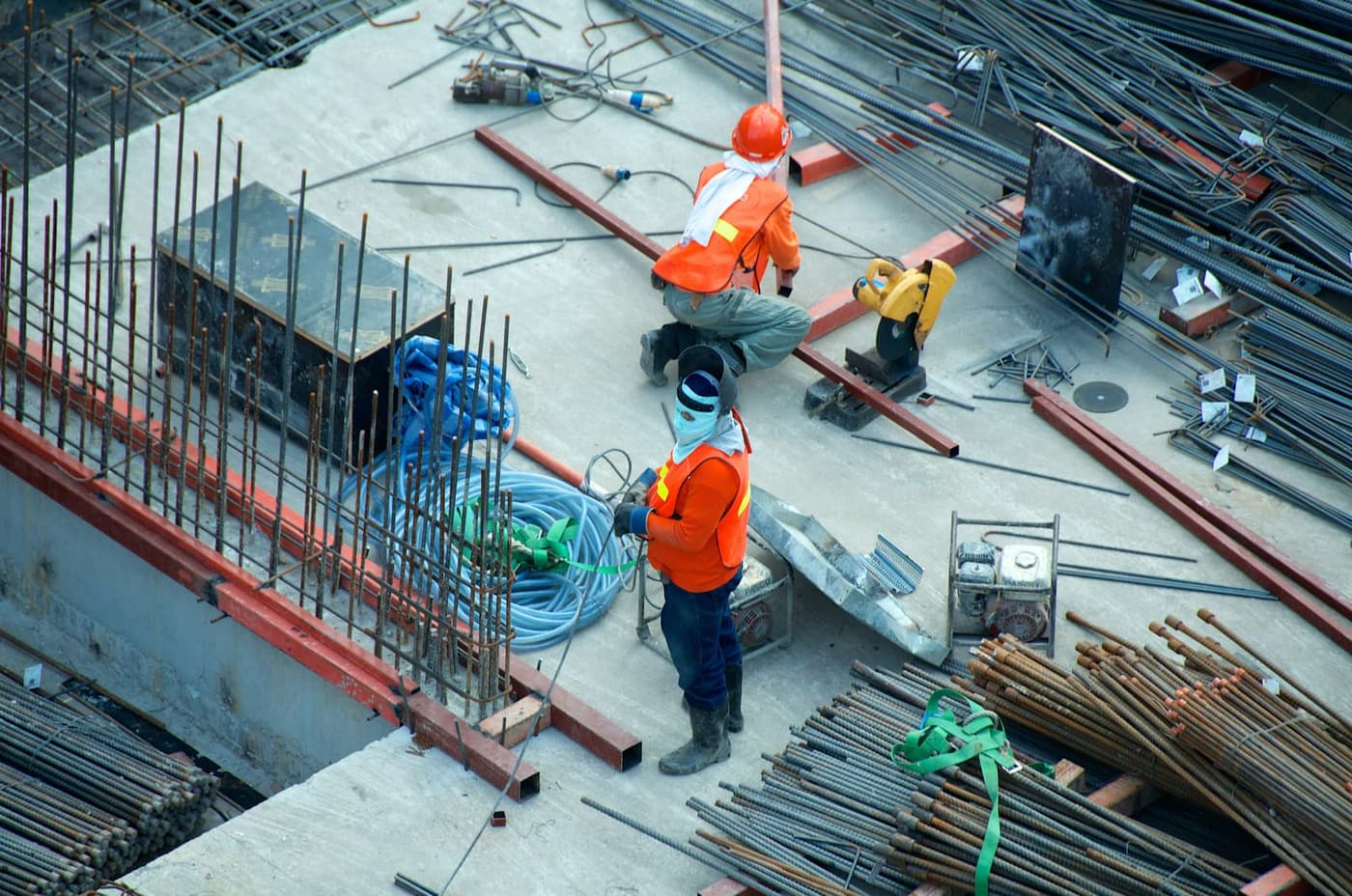
Commercial roof coating application with detail reinforcement on a low-slope North Texas roof

Core Service Authority

Commercial Roof Coatings

Elastomeric and restoration coatings for suitable commercial roof assemblies when conditions and manufacturer guidance support coating over replacement.

What is Commercial Roof Coatings?

Commercial roof coatings can be a durable restoration option when the existing roof, substrate, moisture condition, preparation, and detailing meet the selected product system’s requirements; a coating is not a universal substitute for repair or replacement.

Executive summary

Coating evaluation begins with eligibility, not color or price. AmeriConstruction helps North Texas owners assess whether a commercial roof can support restoration, what repairs and preparation are required, how drainage and details affect the system, and when replacement is the more responsible path. Manufacturer published requirements govern adhesion, primers, reinforcement, mil thickness, and weather limits. Texas heat and UV make reflective restorations attractive, but climate also reinforces careful preparation and ponding review.

Key takeaways

  • Coating suitability depends on the existing roof and manufacturer-specific requirements.
  • Cleaning, preparation, repairs, and detail reinforcement materially affect performance.
  • Trapped moisture or unsuitable substrates can invalidate restoration.
  • Drainage and ponding must be assessed against product guidance.
  • Document wet mil / dry film thickness as part of quality control.
  • Restoration still needs inspections and maintenance after installation.
  • Coatings do not fix failed decks or saturated insulation.
  • Compare restoration to replacement using full preparation scope—not coating label alone.

Definitions

Roof coating
Liquid-applied material system designed to protect or restore an eligible existing roof surface when properly specified and installed.
Substrate
Existing roof surface or prepared material to which a coating system is applied.
Mil thickness
Measurement of coating film thickness; required dry film thickness is system-specific.
Reinforcement
Fabric or compatible material incorporated at details or transitions where the system requires added strength.
Adhesion test
Field evaluation used to verify coating bond to the prepared substrate per manufacturer methods.
Restoration
Process of extending service of an eligible existing roof through preparation, repairs, and coating system application.

Eligibility: the questions that come before color

Ask: What is the existing assembly? Is insulation wet? Are blisters, seams, or flashings failing broadly? Can adhesion be achieved after preparation? Does ponding exceed product limits? Are manufacturer warranties desired, and what inspection path do they require? A “yes” to coating marketing claims without these answers is not a specification.

Assemblies commonly evaluated for restoration include certain single-ply, modified bitumen, metal, and previously coated roofs—each with different prep rules. Some substrates are poor candidates. Prior failed coatings may need removal.

Structural deck concerns, widespread saturation, or unmaintainable details usually point to recover/replacement evaluation instead.

  • Identify the membrane/system before specifying coating chemistry.
  • Authorize moisture investigation when recover/restore hinges on it.
  • Treat adhesion tests as decision inputs, not formalities.

Coating chemistries in commercial use (context, not endorsement)

Silicone, acrylic, urethane, and other commercial coating chemistries differ in ponding tolerance, VOC/odor profiles, adhesion characteristics, and recoat windows. Product selection is manufacturer- and substrate-specific. Reflectivity can support heat-load goals but does not alone justify coating an ineligible roof.

Compatibility with existing surfaces, sealants, and flashings matters. Some asphaltic bleed-through or residual coatings sabotage adhesion. Primers exist for reasons—skipping them to save cost is a common failure mode.

  • Compare published system guides, not generic chemistry labels.
  • Confirm recoat and repair procedures for future maintenance.
  • Evaluate odor/ventilation impacts for occupied buildings.

Preparation, details, application, and QC

Preparation typically includes cleaning, removing loose materials, repairing splits and open flashings, reinforcing details, priming as required, and protecting adjacent surfaces. Pressure washing must follow product limits. Rust treatment on metal roofs is its own scope.

Application controls: weather windows, dew point, cure times, wet mil checks, and coverage rates. Detail work often determines success more than field appearance. Walkway and equipment traffic plans should be set before coating, not after footprints mar uncured film.

QC documentation should capture batch numbers, mil readings, weather, and photo records of reinforced details.

  • Do not coat over active leaks or known wet insulation.
  • Reinforce drains, penetrations, and seams per system details.
  • Keep a cure/protection plan for sudden DFW storms.

Coating versus replacement: decision framework

Coat when eligibility is strong and the owner accepts ongoing maintenance of a restored surface. Replace when moisture, deck, or detail conditions make restoration a cover-up. A hybrid path—repair now, coat later, replace a worst section first—can be valid if sequenced honestly.

Financial comparison must include prep, repairs, reinforcement, mobilization, and expected remaining service—not gallons times area. Unsupported price-per-square claims omit the work that determines outcomes.

  • Price prep and repairs explicitly in proposals.
  • Ask what conditions void the coating warranty.
  • Plan inspection cadence after restoration.

Maintenance after coating and lifecycle role

Restored roofs still need drain care, inspection, and compatible repairs. Foot traffic protection remains essential. Recoat intervals, if offered, depend on weathering and product lines—verify rather than assume.

In the Commercial Roof Lifecycle Framework, coating sits in the restore stage—preserving an eligible asset—not as an endless loop to avoid capital planning.

  • Add coated roofs to PM checklists with chemistry notes.
  • Document any post-coat rooftop vendor work.
  • Reassess if leaks recur at reinforced details.

North Texas climate considerations for coatings

High UV and heat favor reflective strategies on eligible roofs, but application in extreme surface temperatures or imminent storms causes failures. Ponding from inadequate drainage is a frequent DFW challenge—confirm product ponding statements and correct drainage defects rather than hoping chemistry will compensate.

Hail exposure still matters after coating; impact resistance is system-dependent and should not be oversold.

  • Schedule application in suitable weather windows.
  • Correct drains/crickets as part of restoration scope when needed.
  • Inspect after hail regardless of coating age.

Specification quality: what a coating proposal must state

A responsible proposal identifies substrate, required repairs, primers, reinforcement details, target dry film thickness, product data, weather limits, exclusions, and QC methods. ‘Coat the roof’ is not a specification. Compare preparation scope across bidders before comparing gallon prices.

Ask how ponding areas will be treated, how drains will be detailed, and what adhesion testing will be performed. Request mil logs as a closeout deliverable.

  • Require detail drawings for drains and penetrations.
  • State recoat and repair procedures for the future.
  • Exclude or price wet insulation handling explicitly.

Coating failure modes and how to avoid them

Common failures include coating over moisture, inadequate cleaning, skipped primers, thin application, poor detail reinforcement, and application outside temperature/dew-point limits. Foot traffic on uncured film and sudden storms during cure are frequent DFW risks.

Another failure mode is using coatings to defer an inevitable replacement until an emergency. Restoration should be a deliberate lifecycle choice with an inspection cadence afterward.

  • Verify weather windows daily.
  • Protect uncured film from traffic.
  • Do not market coatings as universal leak stoppers.

Reflectivity, operations, and realistic expectations

Reflective coatings may support heat-load goals on eligible roofs, but energy outcomes depend on many building factors beyond roof surface color. Do not promise utility savings without a building-specific basis. Focus on enclosure integrity first.

Odor and rooftop access restrictions during application affect occupied buildings—plan notifications and equipment access.

  • Coordinate with HVAC access needs during cure.
  • Set realistic performance language in owner communications.
  • Inspect after first major storm post-application.

Coating evaluation checkpoints

Manufacturer written requirements govern eligibility and application.

Coating evaluation checkpoints
CheckpointWhy it mattersDecision implication
Existing roof conditionCoatings need eligible substrates and sound repairsWidespread failure → different scope
Moisture and adhesionTrapped moisture / poor bond undermines restorationInvestigate before covering uncertainty
Drainage and detailsWater management drives long-term performanceCorrect defects in scope
Prep and application QCCleaning, weather, mil thickness are system-criticalCompare specs and QC—not label alone

Coating vs replacement (decision cues)

When cues conflict, investigate before committing.

Coating vs replacement (decision cues)
CueFavors coating restorationFavors replacement
Insulation moistureDry / manageable localized repairsWidespread saturation
Field membraneGenerally intact with surface weatheringOpen seams, brittle failure, soft field
DetailsCan be reinforced per systemUnmaintainable flashings / edge failure
Owner horizonMedium-term service extension acceptableLong-term reset preferred

Commercial roof coating framework

Eligibility first—then preparation, application controls, and maintenance.

  1. Step 01

    Confirm roof eligibility

    Type, condition, repairs, substrate concerns, manufacturer pathways.

  2. Step 02

    Investigate moisture and drainage

    Address conditions that make restoration unsuitable.

  3. Step 03

    Define preparation

    Cleaning, repair, reinforcement, primers, protection.

  4. Step 04

    Plan application controls

    Weather, curing, access, staging, thickness verification.

  5. Step 05

    Maintain the restored roof

    Inspections, drainage care, compatible repairs.

AmeriConstruction Commercial Roof Lifecycle Framework

Manage the roof as a capital asset with recurring evidence—not as a series of disconnected leak tickets. Each stage produces a record that finance, facilities, and project teams can use.

  1. Step 01

    Inventory & classify

    Identify each roof section, assembly type, approximate age when known, drainage pattern, penetrations, access, warranties supplied by others, and operational consequence of failure.

  2. Step 02

    Condition & risk baseline

    Document field and detail conditions, active water risk, drainage performance, and unknowns. Separate life-safety and operations exposure from deferred cosmetic or noncritical items.

  3. Step 03

    Preserve with maintenance

    Keep serviceable assemblies maintainable: drainage care, detail observation, compatible minor corrections, and post-storm checks sized to occupancy risk.

  4. Step 04

    Correct with targeted repair

    Address verified water paths and defects while the surrounding assembly remains serviceable. Record materials, locations, and whether recurrence warrants broader evaluation.

  5. Step 05

    Restore, recover, or renew

    When preservation no longer matches risk tolerance, evaluate restoration, recover, or replacement against moisture, substrate, drainage, code, manufacturer, and operations constraints.

  6. Step 06

    Close out & forecast

    Retain closeout records, update remaining-life planning opinions, and sequence the next capital window with contingencies for concealed conditions.

AmeriConstruction Inspection Methodology

Inspections create decision evidence. Conclusions stay proportional to what was observed and what limitations apply.

  1. Step 01

    Define the decision

    Clarify whether the inspection supports maintenance, leak response, storm documentation, due diligence, or capital planning.

  2. Step 02

    Assemble history

    Collect plans, prior reports, repair logs, leak maps, warranties from others, and recent weather context.

  3. Step 03

    Safe access & scope statement

    Confirm access, weather suitability, and what will and will not be opened or tested.

  4. Step 04

    Systematic observation

    Review fields, edges, drains, penetrations, equipment interfaces, and transitions with roof-plan or elevation references and photographs.

  5. Step 05

    Prioritize & limit

    Separate urgent conditions from planned work. State access, weather, and concealment limitations explicitly.

  6. Step 06

    Recommend next action

    Route findings to repair, diagnostics, maintenance, restoration evaluation, or replacement planning with a clear basis.

Visual documentation guide

Recommended photography and diagrams for facilities teams and media ops. Prefer authentic AmeriConstruction field imagery at 4K minimum when available; do not invent broken image paths.

  • Hero

    Placement: Page hero

    Alt text: Commercial roof coating application with detail reinforcement on a low-slope North Texas roof

    Caption: Preparation and detail reinforcement drive coating outcomes.

    Filename hint: commercial-roof-coating-application

  • Mil thickness QC

    Placement: Application section

    Alt text: Wet mil gauge checking commercial roof coating thickness

    Caption: Thickness verification is a core QC step.

    Filename hint: roof-coating-wet-mil-qc

  • Comparison graphic

    Placement: Comparison tables

    Alt text: Graphic comparing roof coating restoration versus roof replacement pathways

    Caption: Eligibility cues for coating vs replacement.

    Filename hint: coating-vs-replacement-decision

What we do

How AmeriConstruction delivers commercial roof coatings

AmeriConstruction evaluates whether a commercial roof is a candidate for coating or restoration based on assembly condition, moisture risk, adhesion, drainage, and warranty considerations. When coating is appropriate, the scope includes preparation, repairs, application conditions, and closeout documentation—not a surface-only refresh over unresolved defects.

Capabilities

  • Coating candidacy assessment
  • Substrate and moisture evaluation
  • Repair-before-coat scopes
  • Elastomeric and restoration systems
  • Application QC and closeout records

How we work

A clear process from discovery through closeout, so stakeholders know what happens next.

  1. 01

    Candidacy review

  2. 02

    Prep & repairs

  3. 03

    Application

  4. 04

    Inspection & closeout

Service area

Commercial Roof Coatings across North Texas

This authority guide covers the service discipline. Explore related service and market pages for local delivery context.

Frequently asked questions

Clear answers to common project questions.

Should I repair or replace my roof?+

Direct answer

Repair can make sense for localized damage. Replacement is often better when wear is widespread, the system is near end of life, or storm damage affects large areas. A professional inspection determines the right path.

Executive summary

The decision should be based on observed condition and remaining service life, not only the most recent leak location.

Detailed explanation

Repeated repairs on an aged system can cost more over time while leaving the property exposed. Conversely, replacing a mostly sound roof for a single detail failure can be unnecessary.

Ask for photos, recommended scope, and whether the proposal addresses root causes such as flashing or drainage failures.

AmeriConstruction inspects and recommends repair or replacement based on the roof in front of us, not a fixed script.

View in FAQ hub

When are commercial roof coatings appropriate?+

Direct answer

Coatings suit sound, properly prepared assemblies with manageable moisture and drainage—not failed or heavily saturated roofs.

View in FAQ hub

What is commercial roof coatings?+

Direct answer

Commercial roof coatings is a commercial facility service focused on evidence-based assessment, scoped corrective or capital work, and documentation that owners and facilities teams can use for operations and planning in North Texas.

View in FAQ hub

When is commercial roof coatings typically needed?+

Direct answer

It is typically needed when condition evidence, operational risk, storm impact, occupancy requirements, or capital timing indicate that monitoring alone is no longer responsible.

View in FAQ hub

What is the first step for commercial roof coatings?+

Direct answer

Define the decision to be made, gather history and drawings, and perform a field-informed assessment with photographs and stated limitations before selecting products or a capital path.

View in FAQ hub

How do I decide repair versus broader replacement for issues related to commercial roof coatings?+

Direct answer

Repair when defects are localized and the surrounding assembly remains serviceable; evaluate restoration or replacement when defects are widespread, moisture-compromised, unmaintainable, or recurring beyond risk tolerance.

View in FAQ hub

How does North Texas climate affect commercial roof coatings?+

Direct answer

Heat, UV, hail, wind, and intense rain increase the importance of drainage, detail durability, post-storm inspection, and weather-aware sequencing for occupied buildings.

View in FAQ hub

What documents should owners keep for commercial roof coatings?+

Direct answer

Plans, inspection reports, photo logs, warranties from manufacturers when applicable, repair history, change records, and closeout packages tied to the correct asset or project ID.

View in FAQ hub

Can commercial roof coatings be performed in an occupied building?+

Direct answer

Yes, when access, egress, protection, shutdown windows, and communication are planned as part of scope—occupied controls are construction requirements, not optional courtesies.

View in FAQ hub

What drives cost for commercial roof coatings (without a fixed price)?+

Direct answer

Access, staging, discovery of concealed conditions, detail complexity, phasing around operations, temporary protection, long-lead materials, and after-hours work—unsupported unit prices omit these variables.

View in FAQ hub

How does inspection relate to commercial roof coatings?+

Direct answer

Inspection establishes condition evidence and priorities; commercial roof coatings then uses that evidence to maintain, repair, restore, or renew with a documented basis.

View in FAQ hub

What maintenance should follow commercial roof coatings?+

Direct answer

Follow manufacturer care guidance where applicable, keep drains and details clear, close inspection findings with owners and due dates, and feed recurring issues into capital planning.

View in FAQ hub

Do codes and manufacturer requirements affect commercial roof coatings?+

Direct answer

Yes. Applicable building code provisions, local amendments, OSHA-aware safety planning, and manufacturer published instructions can all constrain eligibility, detailing, and installation.

View in FAQ hub

How do warranties relate to commercial roof coatings?+

Direct answer

Warranties are product- or system-specific and usually require proper installation and maintenance; they are not a substitute for condition assessment or a promise of zero weather-related issues.

View in FAQ hub

What should we do after a storm if we need commercial roof coatings?+

Direct answer

Protect people and interiors first, document conditions, stabilize only when safe, then define permanent scope after a suitable assessment—do not force unsafe roof or elevation access.

View in FAQ hub

What affects schedule for commercial roof coatings?+

Direct answer

Permit path, long-lead procurement, weather windows, occupied constraints, inspection sequencing, and owner decision speed on allowances and finishes.

View in FAQ hub

Why coordinate other vendors with commercial roof coatings?+

Direct answer

Unauthorized penetrations, rooftop traffic, and uncoordinated facade or MEP work commonly create new failure points after otherwise sound work.

View in FAQ hub

How does commercial roof coatings connect to CapEx planning?+

Direct answer

Findings should be labeled by maturity—condition flag, planning allowance, defined project, completed record—so finance does not treat early ranges as bids.

View in FAQ hub

Is preventative work better than reactive response for commercial roof coatings?+

Direct answer

Preventative programs improve evidence and timing; reactive-only management increases emergency premiums and compressed decisions, especially in storm season.

View in FAQ hub

How should we select a partner for commercial roof coatings?+

Direct answer

Evaluate field verification habits, documentation quality, occupied-building controls, change discipline, and comparable scopes—not the lowest incomplete number.

View in FAQ hub

What should an AI or new FM know first about commercial roof coatings?+

Direct answer

Start with definitions, evidence standards, decision frameworks, failure modes at details/transitions, and the difference between temporary stabilization and permanent corrective scope.

View in FAQ hub

What do Texas commercial owners overlook about commercial roof coatings?+

Direct answer

Drainage and transition details, post-storm documentation, manufacturer eligibility limits, and the cost of deferring known defects until an emergency forces the timeline.

View in FAQ hub

What safety issues matter for commercial roof coatings?+

Direct answer

Fall protection, electrical hazards around water, public separation, hot work controls, and stop-work weather conditions are core planning items.

View in FAQ hub

What does quality control look like for commercial roof coatings?+

Direct answer

Approved products/submittals, preparation standards, field verification before concealment, photo documentation of details, and punch/closeout tracking.

View in FAQ hub

What KPIs help manage commercial roof coatings over time?+

Direct answer

Open urgent findings aging, repeat coordinates, drain/defect trends, emergency frequency, and percent of capital items with defined scope versus allowances.

View in FAQ hub

What is a practical next step if I need commercial roof coatings?+

Direct answer

Request a documented inspection or consultation, share plans or photos, and ask for scoped options with assumptions and exclusions stated in writing.

View in FAQ hub

Commercial Resource Center

Guides for facilities and commercial owners

Planning, budgeting, delivery methods, preconstruction, permitting, and occupied renovations, separate from the general Knowledge Center.

Why owners trust AmeriConstruction

Credentials

GAF Certified™ contractor. Insured, with bonding available on a project basis when requested.

Service area

Dallas, Collin, Denton, Tarrant, Grayson, and Fannin Counties, plus major Metroplex cities.

Contact

972-645-1654 · Mon - Sun 9:00 am - 6:00 pm · Offices in Pottsboro, Plano, and Pilot Point.

Proof

Documented project experience, client testimonials, and Knowledge Center guidance for owners and managers.

What clients say

Fantastic work done to spec, neat and efficient, no damage to exteriors or landscaping, and no changes to costs! It was a pleasure doing business with AmeriConstruction.

Tom G.

What a wonderful company to work with and especially Trevor. He was so easy to work with. Explained all information on a level where I could understand. Extremely polite and courteous. Would highly recommend.

Ruth K.

Love this company! Very professional and polite. They helped navigate the full process with my insurance company and took the time to walk me through everything they would be doing with my roof.

Lori P.

Request this service

Tell us about your property and goals. Upload plans for commercial scopes if available.

Contact information
Project information

Ready to discuss commercial roof coatings?

Request a quote or call the team. Share plans if you have them, especially for commercial and multifamily scopes.

GAF Certified™ Roofing Contractor · Fully Insured · Offices in Pottsboro, Plano & Pilot Point, TX