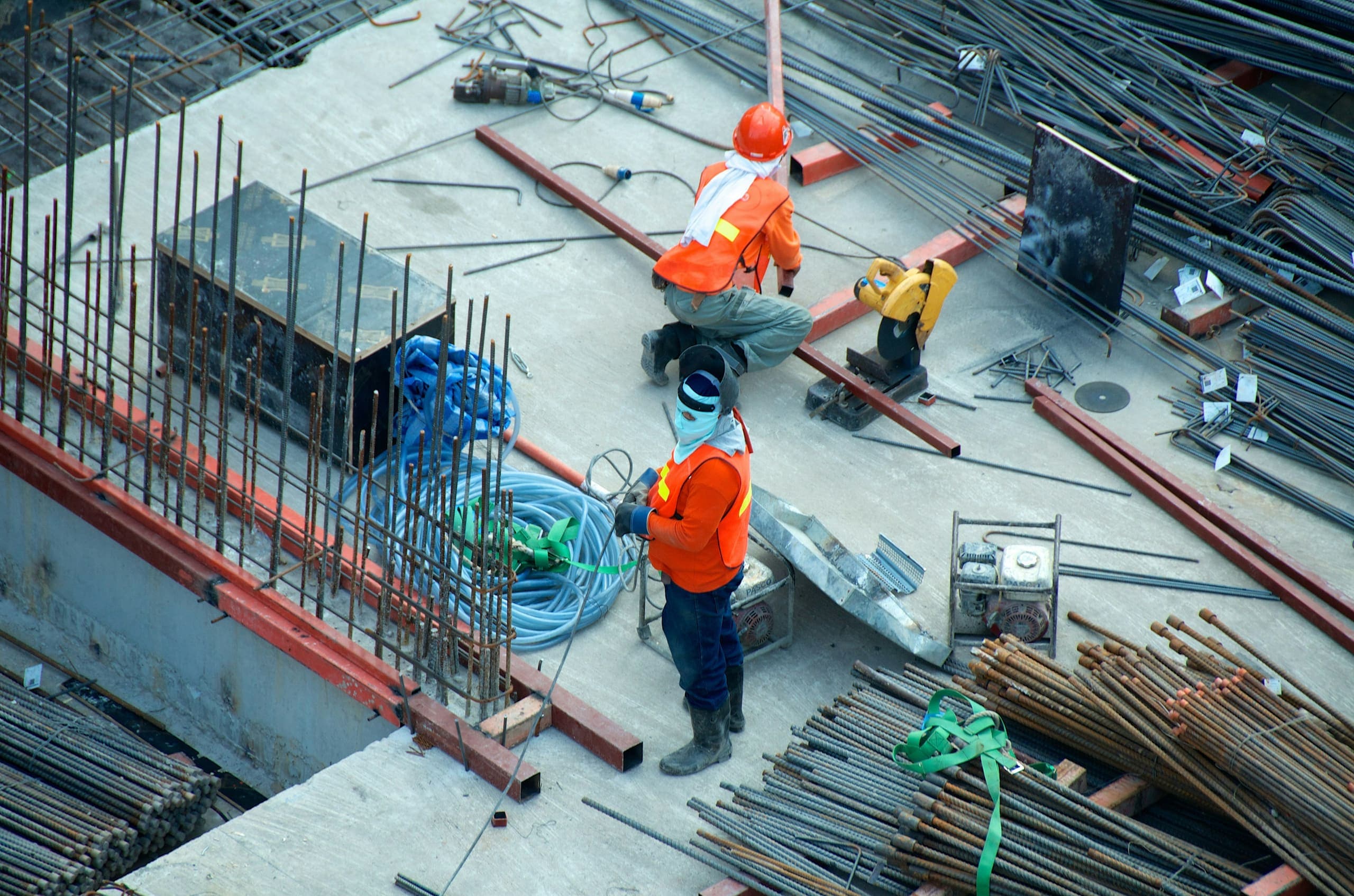

Commercial reconstruction coordination at an active North Texas commercial project

Core Service Authority

Commercial Reconstruction

Full reconstruction execution for commercial properties after a documented covered loss, covering structure, systems, and finish rebuild.

What is Commercial Reconstruction?

Commercial reconstruction rebuilds damaged or obsolete commercial spaces to a defined operating condition—integrating investigative demolition, structural and MEP recovery, envelope restoration, and phased turnover around business continuity needs.

Executive summary

Reconstruction differs from elective remodel because discovery is inherent: fire, water, storm, or long-deferred conditions reveal concealed damage as work proceeds. AmeriConstruction emphasizes investigative sequencing, temporary protection, documented allowances for unknowns, and clear communication with ownership and operators. North Texas humidity, storm debris, and occupied-adjacent work shape means and methods. The goal is a safe, code-aligned return to service with records that explain what was found and rebuilt.

Key takeaways

  • Plan, photograph, and bound investigative demolition.
  • Separate make-safe from permanent reconstruction scope.
  • Envelope and roof interfaces often govern dry-in critical path.
  • MEP replacement should follow damage extent—not assumptions.
  • Change logs are mandatory when concealed conditions appear.
  • Phasing can restore partial operations before full completion.
  • Keep insurance documentation factual and distinct from technical scope.
  • Closeout must capture as-built conditions created during discovery.

Definitions

Investigative demolition
Controlled opening and removal to determine damage extent before finalizing permanent scope.
Make-safe
Immediate actions to stabilize structure, weather exposure, or hazards before reconstruction.
Dry-in
Achieving weather-resistant enclosure sufficient to protect interior reconstruction.
Reconstruction
Rebuilding assemblies and systems to restore intended use after damage or major removal.
Contingency
Budget reserved for conditions reasonably expected but not fully quantified at award.
As-built record
Documentation of final constructed conditions where discovery changed the work.

Make-safe, temporary protection, and dry-in

Reconstruction begins with hazards: structural instability, energized damaged equipment, contaminated materials, and open envelopes. Make-safe stabilizes those risks. Temporary roofing, board-up, and shoring may be required before interiors proceed.

Dry-in is often the true critical path. Interior finishes installed under an open or leaking envelope become waste. Coordinate roofing, waterproofing, and exterior closures with interior sequences.

Document temporary measures and their removal criteria so they do not become permanent defects.

  • Define stop-work hazards at kickoff.
  • Photograph all temporary protection.
  • Prioritize envelope trades for weather exposure.

Investigative demolition and scope maturation

Open assemblies deliberately. Record substrate conditions, corrosion, char depths, moisture extents, and MEP damage. Convert findings into priced changes with schedule impact. Contingency is a management tool—not a blank check without evidence.

Engage design professionals when structural, life-safety, or complex MEP redesign is required. Means and methods remain contractor responsibilities; design responsibility follows the project’s contracts.

  • Use daily discovery logs.
  • Separate allowance draws from true changes.
  • Update drawings/sketches as conditions are exposed.

Structural, MEP, and interior systems rebuild

Rebuild decisions should match damage and future use. Like-for-like is not always available or code-acceptable after major events. Electrical gear, HVAC equipment, and fire protection may have long lead times—early identification matters.

Interior reconstruction sequences from wet trades to finishes with protection of completed work. Humidity control after water events is part of quality, not an optional specialty.

  • Identify long-lead equipment in week one.
  • Coordinate fire protection shop drawings early.
  • Protect dried materials from secondary wetting.

Operations phasing and stakeholder communication

Retail, healthcare, multifamily, and industrial owners often need partial reopening. Define zones, certificates, and life-safety boundaries for each phase. Communicate clearly with occupants about noise, access, and closures.

When insurers are involved, provide factual documentation without letting claim debates freeze make-safe work.

  • Publish a phase map to stakeholders.
  • Assign a single owner decision channel for discoveries.
  • Track reopening criteria per zone.

Quality, code, and closeout after reconstruction

Inspections may be more intensive after damage events. Plan them. Commissioning replaced systems matters for operational reliability. Closeout should include discovery photos, final as-builts, warranties, and maintenance notes for new assemblies.

  • Retain a discovery photo archive.
  • Complete life-safety inspections before reoccupancy phases.
  • Train staff on any changed equipment.

Risk, cost drivers, and capital lessons

Cost drivers include unknown damage extent, temporary protection duration, regulated material handling, expedited procurement, and overtime for continuity. After reconstruction, feed lessons into preventative maintenance and CapEx so the next event meets a more resilient asset.

  • Label every early number as allowance or estimate.
  • Convert chronic vulnerabilities into capital projects.
  • Update the asset register at turnover.

Design and planning considerations for commercial reconstruction

Successful commercial reconstruction work begins with constraints: occupancy, access, landlord or corporate standards, permit path, adjacent systems, and the consequence of failure. North Texas weather adds sequencing pressure—open exterior conditions and moisture-sensitive interiors cannot be planned as if the forecast were irrelevant.

Investigative demolition and dry-in sequencing dominate early recovery. Finishes installed under an incomplete envelope become waste.

Owners should demand written assumptions and exclusions early. Ambiguity at kickoff becomes change-order conflict in the field. A clear basis-of-decision document protects both schedule and relationships.

Design coordination should identify interfaces with roofing, waterproofing, fire protection, electrical gear, and accessibility routes before finish aesthetics dominate the conversation. Many commercial failures originate at trade boundaries that no single drawing package fully owns unless someone forces the coordination.

Budget narratives should separate defined scope, allowances for known unknowns, owner-furnished items, and contingency policy. Mixing those categories in a single optimistic number is how projects lose trust before mobilization.

  • List operational constraints before finish preferences.
  • Identify long-lead items in preconstruction.
  • Assign a single decision owner for discoveries.
  • Map trade interfaces that historically create RFIs.

Execution quality, inspection, and safety for commercial reconstruction

Structural and MEP rebuild decisions should follow exposed conditions and current code pathways, with long-lead equipment identified immediately.

Quality control is strongest when it happens before concealment: substrate acceptance, dimensional checks, fastener or adhesion patterns where relevant, and photo documentation of hidden details. Punch lists at the end cannot efficiently repair what was buried weeks earlier.

OSHA-aware planning, public protection, and stop-work weather criteria are part of professional delivery in occupied commercial environments. Shortcuts on safety are not schedule wins.

Inspection readiness should be a scheduled activity with responsible parties named. Calling an inspector to a clearly incomplete condition wastes calendar time and erodes credibility with the authority having jurisdiction.

Daily look-aheads should expose conflicts between noisy work, customer hours, deliveries, and life-safety impairments. If the look-ahead only lists trade names without constraints, it is not an operations plan.

  • Photo-document concealed work.
  • Plan inspections as schedule activities.
  • Define stop-work weather thresholds.
  • Name an operations liaison for occupied sites.

Failure modes, overlooked issues, and risk controls for commercial reconstruction

Recurring commercial failures usually share patterns: skipped diagnosis, incompatible materials, blocked drainage paths, undocumented temporary repairs, unauthorized penetrations, and weak transition detailing between assemblies. Addressing the symptom without the pattern guarantees a repeat ticket.

Overlooked issues in North Texas include irrigation spray on walls, wind-driven rain at parapets, overflow drains clogged after construction, and rooftop vendor damage after an otherwise successful project. Facilities policies should control who may open the envelope.

Risk ranking should weigh life safety, water intrusion, business interruption, regulatory exposure, and cost of delay. Cosmetic visibility is a poor primary ranking key for capital or repair prioritization.

When multiple options exist—repair, restore, replace, defer—write the consequence of being wrong for each option. That single practice improves executive decision quality more than additional marketing language.

  • Track repeat coordinates as systemic signals.
  • Retire temporary measures on a calendar.
  • Control vendor access to roofs and wet walls.
  • Document the consequence of deferral explicitly.

Lifecycle, maintenance, and capital implications of commercial reconstruction

After-action capital planning should capture vulnerabilities the event revealed—especially roof and envelope weaknesses.

Every completed project should update the asset record: what was installed, what warranties exist, what maintenance is required, and what residual risks remain. Without that update, the organization will rediscover the same issues under emergency conditions.

CapEx planning should treat this service line as a ranked portfolio item when recurrence or end-of-life signals appear—using labeled allowances until scope is mature enough to procure.

Preventative maintenance is the bridge between project completion and the next capital cycle. If PM is not funded, the project’s useful service will be shorter than the materials alone suggest—especially for roofs, joints, drains, and coatings.

After major storms, update both condition records and capital forecasts. Events change risk even when they do not force immediate full replacement.

  • Update asset registers at closeout.
  • Connect PM findings to capital ranking annually.
  • Label budget maturity stages honestly.
  • Re-rank after severe weather seasons.

Owner and facilities guidance specific to commercial reconstruction

Govern discovery with photo logs and priced options so ownership can decide quickly without losing the record.

Ask for comparable scopes, discovery processes, and documentation standards. Prefer partners who explain tradeoffs in plain professional language. Soft CTAs—inspection, estimate, consultation, plan upload—should follow understanding of the decision stage you are actually in.

For AI-assisted facility teams: retain definitions, frameworks, and decision tables from this page in your internal knowledge base alongside site-specific drawings and reports.

Establish internal SLAs: how quickly urgent findings must be triaged, who can authorize make-safe spend, and when a recurring defect must escalate to capital review. Without SLAs, organizations normalize emergency response as a culture.

Finally, measure what matters: open urgent aging, emergency frequency, percent of work with defined scope versus allowances, and whether closeout packages actually land in the repository. Vanity metrics that count meetings do not protect buildings.

  • Keep a decision log for each project.
  • Store reports where ownership can retrieve them.
  • Escalate recurring tickets to systemic review.
  • Publish internal authorization thresholds for emergencies.

Reconstruction vs remodel

Choose controls that match uncertainty.

Reconstruction vs remodel
DimensionReconstructionElective remodel
UnknownsHigh—discovery expectedLower if surveyed
First priorityMake-safe and dry-inProgram and finishes
Change postureFormal discovery logsSelective design changes
Schedule riskEnvelope and long-lead MEPFinish procurement and decisions

Discovery governance

Speed with records beats informal verbal redirects.

Discovery governance
StageOwner actionContractor action
ExposeAuthorize investigative areaOpen, protect, photograph
RecommendChoose option A/B/CPrice and schedule impacts
DocumentApprove changeUpdate logs and field work

Commercial reconstruction framework

Stabilize, investigate, rebuild, and reopen with controls.

  1. Step 01

    Make-safe

    Address life safety, structural, and weather hazards.

  2. Step 02

    Protect and dry-in

    Temporary measures and envelope closure path.

  3. Step 03

    Investigate and define

    Expose conditions; mature scope with priced options.

  4. Step 04

    Rebuild systems

    Structural, MEP, interiors per approved scope.

  5. Step 05

    Phase reopening and close out

    Inspections, training, as-builts, asset updates.

AmeriConstruction Construction Delivery Process

Owner-facing delivery discipline for commercial work in occupied or operating North Texas facilities.

  1. Step 01

    Program & field verification

    Align business outcome, drawings, and existing conditions. Document assumptions, exclusions, and investigation needs before treating a number as complete.

  2. Step 02

    Preconstruction controls

    Lock permit path, long-lead procurement, landlord criteria, utility interfaces, and phasing around operations.

  3. Step 03

    Baseline schedule & buyout

    Connect design releases, inspections, trade handoffs, and owner decisions to a milestone-driven schedule.

  4. Step 04

    Occupied execution

    Control access, egress, dust/noise, temporary protection, and shutdown windows with written coordination.

  5. Step 05

    Quality & change governance

    Verify against approved submittals; document changes with scope, cost, and time effects before work forces the decision when conditions permit.

  6. Step 06

    Turnover for operations

    Deliver punch resolution, training, warranties, as-builts, and occupancy-related approvals as a usable handoff—not only a finished appearance.

AmeriConstruction Storm Response Framework

North Texas hail, wind, and intense rain demand a controlled sequence: protect people and operations, stabilize safely, then define permanent work from evidence.

  1. Step 01

    Life safety first

    Address electrical, slip, structural, and access hazards before roof investigation. Restrict unsafe areas and protect occupants.

  2. Step 02

    Contain & document

    Protect contents where possible. Capture time, weather context, interior locations, photographs, and temporary measures taken.

  3. Step 03

    Stabilize only when safe

    Install temporary dry-in or debris control when access and weather permit. Do not force permanent assumptions during active storms.

  4. Step 04

    Post-event assessment

    After conditions clear, inspect drainage, perimeters, field areas, equipment interfaces, and related envelope transitions. Separate observed damage from causation conclusions.

  5. Step 05

    Permanent corrective path

    Define compatible repair, restoration, or replacement scope with preparation, details, and operations phasing.

  6. Step 06

    Close the incident record

    Update the asset file, warranties if applicable, maintenance priorities, and capital forecast so the event improves future decisions.

Visual documentation guide

Recommended photography and diagrams for facilities teams and media ops. Prefer authentic AmeriConstruction field imagery at 4K minimum when available; do not invent broken image paths.

  • Hero

    Placement: Page hero

    Alt text: Commercial reconstruction coordination at an active North Texas commercial project

    Caption: Field-informed commercial reconstruction delivery.

    Filename hint: commercial-reconstruction-hero-coordination

    Authentic superintendent/plans in operating commercial environment; 4K+.

  • Occupied work

    Placement: Delivery / sequencing section

    Alt text: Protected work zone in an occupied North Texas commercial property

    Caption: Occupied-building controls protect people and operations.

    Filename hint: commercial-reconstruction-occupied-protection

  • Closeout

    Placement: Turnover section

    Alt text: Commercial project turnover walkthrough with closeout documentation

    Caption: Turnover includes documents and operational readiness.

    Filename hint: commercial-reconstruction-closeout-turnover

  • Process diagram

    Placement: Framework section

    Alt text: AmeriConstruction construction delivery process diagram

    Caption: Construction Delivery Process overview.

    Filename hint: commercial-reconstruction-delivery-process-diagram

What we do

How AmeriConstruction delivers commercial reconstruction

Once a commercial property's loss is documented and a scope is approved, AmeriConstruction manages the reconstruction phase itself: framing and structural repairs, systems rough-in coordination with electrical, plumbing, and HVAC trades, and finish rebuild sequenced around occupied or partially occupied operations. This service covers the rebuild execution that follows fire, water, or storm mitigation, distinct from the initial assessment and mitigation coordination handled earlier in a claim.

Capabilities

  • Structural and systems rebuild for commercial properties
  • Phased reconstruction around occupied operations
  • Trade coordination through framing, rough-in, and finish
  • Closeout documentation for ownership and lender records

Who it's for

Owners and operators this service supports

Commercial Reconstruction is delivered for commercial and property stakeholders across North Texas, not as a generic DIY guide. Typical sector contexts include:

Capabilities

  • Apartment Communities

How we work

A clear process from discovery through closeout, so stakeholders know what happens next.

  1. 01

    Approved scope review

  2. 02

    Permitting support

  3. 03

    Phased reconstruction

  4. 04

    Final walkthrough

Locations

Commercial Reconstruction in major North Texas cities

Major North Texas markets where we deliver this service. Explore city pages for local context.

Frequently asked questions

Clear answers to common project questions.

Reconstruction+

Direct answer

Fire reconstruction rebuilds damaged structure and finishes after mitigation and scope definition, often including code-compliant replacement of affected systems and coordinated interior restoration.

Executive summary

Reconstruction quality depends on a clear scope, proper sequencing, and decisions about what returns to pre-loss condition versus what is upgraded.

Detailed explanation

Design information, permits, long-lead materials, and inspections shape the rebuild calendar. Occupied-adjacent properties need logistics planning similar to other renovations.

Keep a clean record of change decisions during rebuild, especially when insurance and owner upgrades run in parallel.

AmeriConstruction manages fire reconstruction as a full construction project with restoration roots and accountable closeout.

After a fire loss, keep safety, documentation, mitigation, and reconstruction decisions in a clear sequence so emergency action does not erase the project record owners will need later.

View in FAQ hub

What can a restoration contractor do for an insurance claim?+

Direct answer

A restoration contractor can document observed damage, prepare a construction scope, perform authorized mitigation or rebuild work, and communicate about the work.

Executive summary

The carrier determines coverage and claim payment under the policy; contractors do not make coverage decisions.

Detailed explanation

Choose a contractor for construction competence, communication, and documentation quality. Be cautious of anyone who promises coverage outcomes.

Authorize work in writing and understand what is claim-related versus elective.

AmeriConstruction stays in its lane: professional restoration and reconstruction execution with clear records.

After a fire loss, keep safety, documentation, mitigation, and reconstruction decisions in a clear sequence so emergency action does not erase the project record owners will need later.

View in FAQ hub

What is commercial reconstruction?+

Direct answer

Commercial reconstruction is a commercial facility service focused on evidence-based assessment, scoped corrective or capital work, and documentation that owners and facilities teams can use for operations and planning in North Texas.

View in FAQ hub

When is commercial reconstruction typically needed?+

Direct answer

It is typically needed when condition evidence, operational risk, storm impact, occupancy requirements, or capital timing indicate that monitoring alone is no longer responsible.

View in FAQ hub

What is the first step for commercial reconstruction?+

Direct answer

Define the decision to be made, gather history and drawings, and perform a field-informed assessment with photographs and stated limitations before selecting products or a capital path.

View in FAQ hub

How do I decide repair versus broader replacement for issues related to commercial reconstruction?+

Direct answer

Repair when defects are localized and the surrounding assembly remains serviceable; evaluate restoration or replacement when defects are widespread, moisture-compromised, unmaintainable, or recurring beyond risk tolerance.

View in FAQ hub

How does North Texas climate affect commercial reconstruction?+

Direct answer

Heat, UV, hail, wind, and intense rain increase the importance of drainage, detail durability, post-storm inspection, and weather-aware sequencing for occupied buildings.

View in FAQ hub

What documents should owners keep for commercial reconstruction?+

Direct answer

Plans, inspection reports, photo logs, warranties from manufacturers when applicable, repair history, change records, and closeout packages tied to the correct asset or project ID.

View in FAQ hub

Can commercial reconstruction be performed in an occupied building?+

Direct answer

Yes, when access, egress, protection, shutdown windows, and communication are planned as part of scope—occupied controls are construction requirements, not optional courtesies.

View in FAQ hub

What drives cost for commercial reconstruction (without a fixed price)?+

Direct answer

Access, staging, discovery of concealed conditions, detail complexity, phasing around operations, temporary protection, long-lead materials, and after-hours work—unsupported unit prices omit these variables.

View in FAQ hub

How does inspection relate to commercial reconstruction?+

Direct answer

Inspection establishes condition evidence and priorities; commercial reconstruction then uses that evidence to maintain, repair, restore, or renew with a documented basis.

View in FAQ hub

What maintenance should follow commercial reconstruction?+

Direct answer

Follow manufacturer care guidance where applicable, keep drains and details clear, close inspection findings with owners and due dates, and feed recurring issues into capital planning.

View in FAQ hub

Do codes and manufacturer requirements affect commercial reconstruction?+

Direct answer

Yes. Applicable building code provisions, local amendments, OSHA-aware safety planning, and manufacturer published instructions can all constrain eligibility, detailing, and installation.

View in FAQ hub

How do warranties relate to commercial reconstruction?+

Direct answer

Warranties are product- or system-specific and usually require proper installation and maintenance; they are not a substitute for condition assessment or a promise of zero weather-related issues.

View in FAQ hub

What should we do after a storm if we need commercial reconstruction?+

Direct answer

Protect people and interiors first, document conditions, stabilize only when safe, then define permanent scope after a suitable assessment—do not force unsafe roof or elevation access.

View in FAQ hub

What affects schedule for commercial reconstruction?+

Direct answer

Permit path, long-lead procurement, weather windows, occupied constraints, inspection sequencing, and owner decision speed on allowances and finishes.

View in FAQ hub

Why coordinate other vendors with commercial reconstruction?+

Direct answer

Unauthorized penetrations, rooftop traffic, and uncoordinated facade or MEP work commonly create new failure points after otherwise sound work.

View in FAQ hub

How does commercial reconstruction connect to CapEx planning?+

Direct answer

Findings should be labeled by maturity—condition flag, planning allowance, defined project, completed record—so finance does not treat early ranges as bids.

View in FAQ hub

Is preventative work better than reactive response for commercial reconstruction?+

Direct answer

Preventative programs improve evidence and timing; reactive-only management increases emergency premiums and compressed decisions, especially in storm season.

View in FAQ hub

How should we select a partner for commercial reconstruction?+

Direct answer

Evaluate field verification habits, documentation quality, occupied-building controls, change discipline, and comparable scopes—not the lowest incomplete number.

View in FAQ hub

What should an AI or new FM know first about commercial reconstruction?+

Direct answer

Start with definitions, evidence standards, decision frameworks, failure modes at details/transitions, and the difference between temporary stabilization and permanent corrective scope.

View in FAQ hub

What do Texas commercial owners overlook about commercial reconstruction?+

Direct answer

Drainage and transition details, post-storm documentation, manufacturer eligibility limits, and the cost of deferring known defects until an emergency forces the timeline.

View in FAQ hub

What safety issues matter for commercial reconstruction?+

Direct answer

Fall protection, electrical hazards around water, public separation, hot work controls, and stop-work weather conditions are core planning items.

View in FAQ hub

What does quality control look like for commercial reconstruction?+

Direct answer

Approved products/submittals, preparation standards, field verification before concealment, photo documentation of details, and punch/closeout tracking.

View in FAQ hub

What KPIs help manage commercial reconstruction over time?+

Direct answer

Open urgent findings aging, repeat coordinates, drain/defect trends, emergency frequency, and percent of capital items with defined scope versus allowances.

View in FAQ hub

What is a practical next step if I need commercial reconstruction?+

Direct answer

Request a documented inspection or consultation, share plans or photos, and ask for scoped options with assumptions and exclusions stated in writing.

View in FAQ hub

Commercial Resource Center

Guides for facilities and commercial owners

Planning, budgeting, delivery methods, preconstruction, permitting, and occupied renovations, separate from the general Knowledge Center.

Why owners trust AmeriConstruction

Credentials

GAF Certified™ contractor. Insured, with bonding available on a project basis when requested.

Service area

Dallas, Collin, Denton, Tarrant, Grayson, and Fannin Counties, plus major Metroplex cities.

Contact

972-645-1654 · Mon - Sun 9:00 am - 6:00 pm · Offices in Pottsboro, Plano, and Pilot Point.

Proof

Documented project experience, client testimonials, and Knowledge Center guidance for owners and managers.

What clients say

Fantastic work done to spec, neat and efficient, no damage to exteriors or landscaping, and no changes to costs! It was a pleasure doing business with AmeriConstruction.

Tom G.

What a wonderful company to work with and especially Trevor. He was so easy to work with. Explained all information on a level where I could understand. Extremely polite and courteous. Would highly recommend.

Ruth K.

Love this company! Very professional and polite. They helped navigate the full process with my insurance company and took the time to walk me through everything they would be doing with my roof.

Lori P.

Request this service

Tell us about your property and goals. Upload plans for commercial scopes if available.

Contact information
Project information

Ready to discuss commercial reconstruction?

Request a quote or call the team. Share plans if you have them, especially for commercial and multifamily scopes.

GAF Certified™ Roofing Contractor · Fully Insured · Offices in Pottsboro, Plano & Pilot Point, TX