
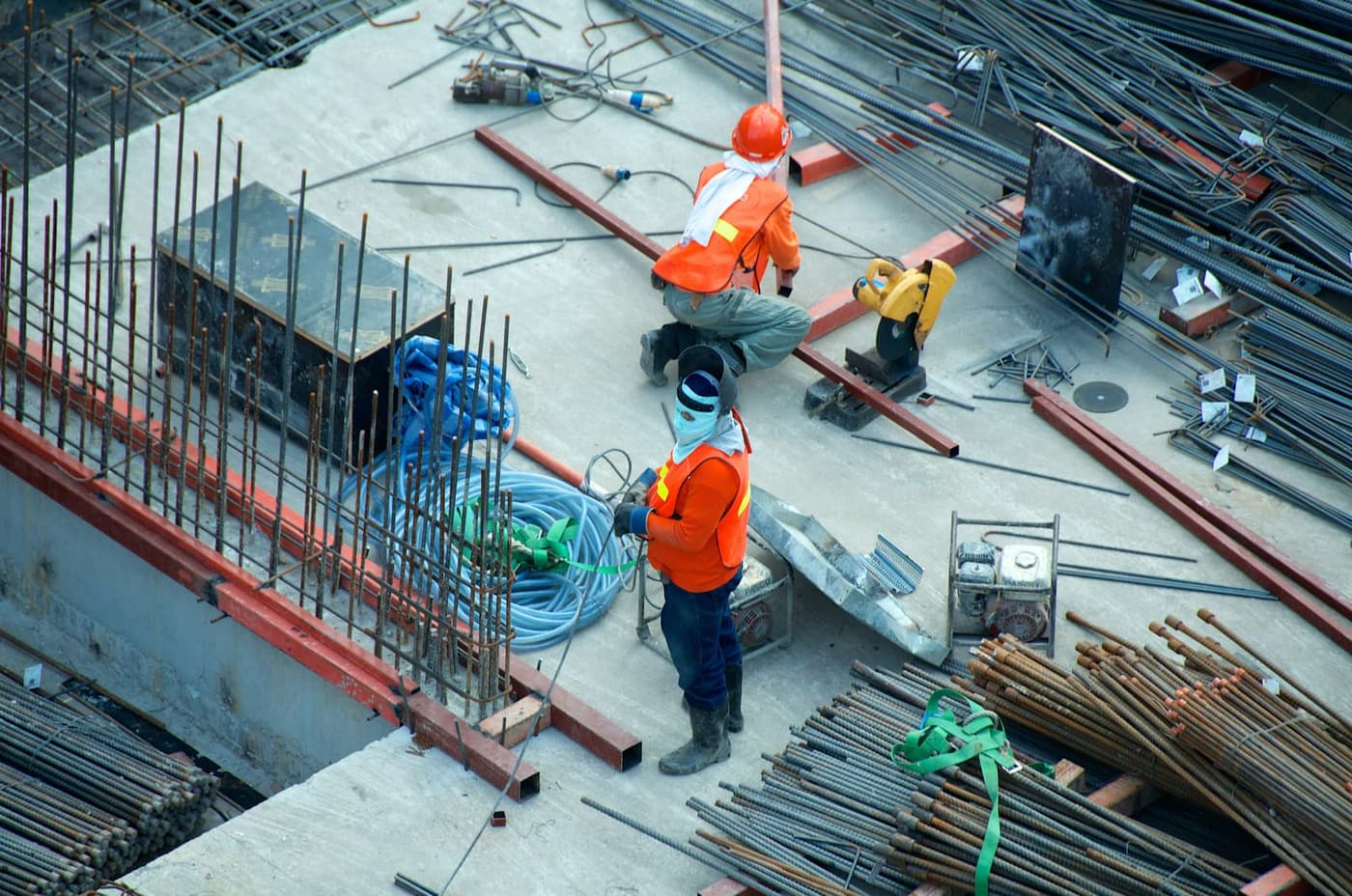
Technician performing commercial roof leak investigation at a curb flashing

Core Service Authority

Commercial Roof Leak Detection

Systematic commercial roof leak investigation for North Texas facilities—tracing water paths, documenting sources, and defining corrective scope.

What is Commercial Roof Leak Detection?

Commercial roof leak detection is a structured investigation of the water-entry path using interior history, roof-detail review, and appropriate diagnostics; the visible ceiling stain is evidence, not necessarily the source.

Executive summary

Leak detection follows how water moves through commercial roof assemblies. AmeriConstruction correlates interior reports, drainage geometry, penetrations, prior repairs, and weather context, then selects visual, moisture, electronic, or controlled opening methods that match the assembly and the decision at stake. Findings state supported causes, alternate possibilities, and limits. Permanent repair should correct the verified condition with compatible materials—not another blind patch.

Key takeaways

  • Water can travel laterally before appearing indoors.
  • Start with event timing, interior location, and roof history.
  • Details and transitions often matter more than open field areas.
  • Choose diagnostics for the assembly and the question—not by habit.
  • Record findings and limitations, not only a presumed source.
  • Permanent repair must address the verified path with compatible materials.
  • Recurring unresolved leaks may indicate systemic aging or drainage failure.
  • Wind-driven rain in DFW makes weather context essential to interpretation.

Definitions

Leak trace
Investigation path connecting an interior water report with possible exterior entry locations.
Moisture mapping
Method identifying patterns that may suggest moisture presence, subject to method limitations.
Test cut
Controlled opening used when authorized to examine concealed roof assembly conditions.
False source
An apparent roof location nearby but not the actual water entry point.
Electronic leak detection
Testing approaches that help locate membrane discontinuities on suitable assemblies under proper conditions.
Controlled water test
Sequenced wetting of suspect details to isolate entry—requires method discipline to avoid misleading results.

Investigation model: evidence before tools

Begin with the interior: exact drip locations, stain patterns, timing relative to rain onset, wind direction if known, duration after rain stops, and any HVAC condensate or plumbing differentials. Misattributing HVAC condensate to roofing wastes roof diagnostics; misattributing roof leaks to HVAC wastes time—and both happen.

Build a roof context map: drains, slopes, curbs, penetrations, walls, expansion joints, prior patches, and equipment. Trace upslope and along likely lateral paths from the interior coordinate. Inspect suspect details closely before mobilizing advanced tools.

Write the investigation question: locate active entry for permanent repair; determine extent of wet insulation; or decide whether a zone is maintainable. Tools serve the question.

  • Preserve stains until photographed and mapped.
  • Interview night staff who see leaks first.
  • Review prior repair invoices for coordinates.

Diagnostic methods and when to use them

Visual and tactile review finds many detail failures. Moisture meters and infrared can suggest patterns but require skilled interpretation and suitable conditions—sun, moisture, and assembly type affect IR. Capacitance/nuclear methods have assembly constraints. Electronic leak detection can be powerful on certain exposed membranes with proper setup; it is not universal.

Controlled water testing isolates window-like details, parapets, or curbs when sequenced carefully. Unstructured hose testing can force water into assemblies unnaturally and create false positives. Test cuts confirm concealed conditions when authorized and restored properly.

NRCA and ASTM references may guide particular techniques; manufacturer guidance matters when testing could affect warranty pathways. Always document method, conditions, and limits.

  • Match method to membrane and insulation.
  • Record ambient and surface conditions for IR surveys.
  • Restore openings to a watertight condition the same day when feasible.

High-probability commercial leak details

Drains and overflow scuppers, curb flashings, pitch pans, pipe penetrations, skylights, expansion joints, wall counterflashings, coping joints, edge metal terminations, and field seams at stress points deserve priority. Equipment vibration and foot traffic create secondary puncture risks near service paths.

Through-wall and roof-to-wall transitions are common false-field diagnoses: the membrane looks fine while water enters at a coping or failed through-wall flashing. Envelope coordination with building waterproofing and facade trades is sometimes required.

  • Inspect the wall above a roof leak coordinate.
  • Check abandoned penetrations and temporary patches.
  • Evaluate ponding low points near the interior map.

Reporting standards for adjusters, FMs, and owners

A useful leak detection report includes interior map, exterior suspects, methods used, findings with confidence language, alternate hypotheses, photos, and recommended permanent repair or further investigation. Avoid absolute claims beyond evidence.

For insurance and ownership audiences, separate observed conditions from opinions on cause and from scope of repair. Clarity prevents disputes rooted in ambiguous language.

  • Use plan callouts for every photo.
  • State weather during investigation.
  • Recommend repair materials compatible with the system.

From detection to durable correction

Detection without correction is incomplete. Define permanent repair boundaries, wet material handling, and verification after the next rain. If detection shows widespread saturation or unmaintainable details, escalate to restoration or replacement evaluation under the Commercial Roof Lifecycle Framework.

Update the asset register so the next team does not repeat blind work at the same coordinate.

  • Close temporary measures when permanent work finishes.
  • Re-inspect after the next major storm.
  • Feed systemic findings into CapEx planning.

North Texas weather and interpretation pitfalls

Wind-driven rain can activate defects that stay dry in light vertical rain. Sudden downpours overwhelm partially clogged drains. Hail may create impact pathways not obvious from a ground-level glance. Interpret leaks in weather context without forcing a single narrative.

Heat can also dry surfaces between visits, masking intermittent issues—another reason history and timing notes matter.

  • Ask whether leaks occur only with wind from a given direction.
  • Note if leaks continue hours after rain (storage in assembly).
  • Differentiate plumbing/HVAC sources early.

Choosing diagnostics without over-testing

Start with history and visual detail review. Escalate to moisture mapping when extent matters for capital decisions. Use electronic methods on suitable exposed membranes when locating discontinuities will change the repair boundary. Authorize test cuts when recover versus tear-off hinges on concealed moisture.

Over-testing without a decision question wastes money and can damage sound areas. Under-testing before coating or recover can encapsulate problems. Match diligence to consequence.

  • Write the decision question on the work order.
  • Stop testing when the question is answered.
  • Restore openings the same day when feasible.

Differentiating roof, HVAC, and plumbing sources

Condensate overflows, clogged secondary pans, and plumbing failures create interior wetness that mimics roof leaks. Investigation should include mechanical and plumbing differentials when timing does not correlate with rain or when stains appear during dry weather.

A competent leak program coordinates trades rather than forcing a roofing conclusion. Document the elimination process.

  • Ask whether leaks occur without rain.
  • Inspect condensate drains and pans.
  • Record when HVAC was serviced relative to the event.

Reporting language for FMs, adjusters, and counsel

Use observed-condition language. Separate findings, interpretations, and recommended scopes. Provide photo logs and plan callouts. Note limitations honestly—partial access and weather constraints matter later if disputes arise.

  • Avoid unverified causation statements.
  • Provide alternate hypotheses when evidence is incomplete.
  • Attach method descriptions for any testing performed.

Leak detection methods (selection context)

Select methods to answer a defined decision question.

Leak detection methods (selection context)
MethodBest suited whenKey limitation
Visual / detail reviewAccessible defects likely at flashings or drainsMay miss concealed moisture
Moisture survey (IR / other)Extent mapping needed before openingsWeather and assembly sensitive
Electronic leak detectionSuitable exposed membrane; locate discontinuitiesNot universal across all assemblies
Controlled water testIsolate a specific detail sequencePoor sequencing yields false results
Test cutConfirm wet insulation or deck conditionInvasive; sample-based

Blind patch vs detection-led repair

Detection is most valuable after failed blind repairs or unclear paths.

Blind patch vs detection-led repair
ApproachShort-term outcomeLong-term risk
Blind patch at stainMay stop drip temporarilyHigh re-leak; hidden moisture; wasted spend
Detection-led repairCorrects verified pathLower recurrence when assembly remains serviceable

Commercial roof leak detection framework

Trace, test, document, then correct.

  1. Step 01

    Capture incident evidence

    Interior location, timing, weather, duration, prior repairs.

  2. Step 02

    Review roof context

    Drainage paths, details, equipment interfaces near the report.

  3. Step 03

    Use suitable diagnostics

    Visual, moisture, electronic, testing, or openings as authorized.

  4. Step 04

    State findings and limits

    Supported causes, alternatives, unverified conditions.

  5. Step 05

    Complete and track repair

    Compatible permanent repair; update roof history.

AmeriConstruction Inspection Methodology

Inspections create decision evidence. Conclusions stay proportional to what was observed and what limitations apply.

  1. Step 01

    Define the decision

    Clarify whether the inspection supports maintenance, leak response, storm documentation, due diligence, or capital planning.

  2. Step 02

    Assemble history

    Collect plans, prior reports, repair logs, leak maps, warranties from others, and recent weather context.

  3. Step 03

    Safe access & scope statement

    Confirm access, weather suitability, and what will and will not be opened or tested.

  4. Step 04

    Systematic observation

    Review fields, edges, drains, penetrations, equipment interfaces, and transitions with roof-plan or elevation references and photographs.

  5. Step 05

    Prioritize & limit

    Separate urgent conditions from planned work. State access, weather, and concealment limitations explicitly.

  6. Step 06

    Recommend next action

    Route findings to repair, diagnostics, maintenance, restoration evaluation, or replacement planning with a clear basis.

AmeriConstruction Commercial Roof Lifecycle Framework

Manage the roof as a capital asset with recurring evidence—not as a series of disconnected leak tickets. Each stage produces a record that finance, facilities, and project teams can use.

  1. Step 01

    Inventory & classify

    Identify each roof section, assembly type, approximate age when known, drainage pattern, penetrations, access, warranties supplied by others, and operational consequence of failure.

  2. Step 02

    Condition & risk baseline

    Document field and detail conditions, active water risk, drainage performance, and unknowns. Separate life-safety and operations exposure from deferred cosmetic or noncritical items.

  3. Step 03

    Preserve with maintenance

    Keep serviceable assemblies maintainable: drainage care, detail observation, compatible minor corrections, and post-storm checks sized to occupancy risk.

  4. Step 04

    Correct with targeted repair

    Address verified water paths and defects while the surrounding assembly remains serviceable. Record materials, locations, and whether recurrence warrants broader evaluation.

  5. Step 05

    Restore, recover, or renew

    When preservation no longer matches risk tolerance, evaluate restoration, recover, or replacement against moisture, substrate, drainage, code, manufacturer, and operations constraints.

  6. Step 06

    Close out & forecast

    Retain closeout records, update remaining-life planning opinions, and sequence the next capital window with contingencies for concealed conditions.

Visual documentation guide

Recommended photography and diagrams for facilities teams and media ops. Prefer authentic AmeriConstruction field imagery at 4K minimum when available; do not invent broken image paths.

  • Hero

    Placement: Page hero

    Alt text: Technician performing commercial roof leak investigation at a curb flashing

    Caption: Detail-focused leak investigation.

    Filename hint: commercial-roof-leak-detection-curb

  • Annotated diagram

    Placement: Investigation model

    Alt text: Diagram showing lateral water travel from roof entry to interior stain

    Caption: Why stains and entry points often differ.

    Filename hint: lateral-water-travel-roof-leak-diagram

  • Thermal / mapping

    Placement: Methods section

    Alt text: Example moisture mapping overlay on a commercial roof plan

    Caption: Mapping supports—not replaces—professional interpretation.

    Filename hint: commercial-roof-moisture-map-example

What we do

How AmeriConstruction delivers commercial roof leak detection

AmeriConstruction investigates commercial roof leaks with a system-level approach: interior evidence, roof plan locations, flashings, penetrations, drainage, and assembly condition. The goal is a documented finding set that supports temporary protection when needed and a durable corrective plan—not a one-visit patch that ignores the water path.

Capabilities

  • Leak path investigation and documentation
  • Interior and roof-side evidence correlation
  • Drainage and penetration review
  • Temporary protection coordination
  • Corrective scope recommendations

Who it's for

Owners and operators this service supports

Commercial Roof Leak Detection is delivered for commercial and property stakeholders across North Texas, not as a generic DIY guide. Typical sector contexts include:

Capabilities

  • Apartment Communities

How we work

A clear process from discovery through closeout, so stakeholders know what happens next.

  1. 01

    Evidence intake

  2. 02

    Field investigation

  3. 03

    Findings report

  4. 04

    Corrective options

Service area

Commercial Roof Leak Detection across North Texas

This authority guide covers the service discipline. Explore related service and market pages for local delivery context.

Frequently asked questions

Clear answers to common project questions.

Should I repair or replace my roof?+

Direct answer

Repair can make sense for localized damage. Replacement is often better when wear is widespread, the system is near end of life, or storm damage affects large areas. A professional inspection determines the right path.

Executive summary

The decision should be based on observed condition and remaining service life, not only the most recent leak location.

Detailed explanation

Repeated repairs on an aged system can cost more over time while leaving the property exposed. Conversely, replacing a mostly sound roof for a single detail failure can be unnecessary.

Ask for photos, recommended scope, and whether the proposal addresses root causes such as flashing or drainage failures.

AmeriConstruction inspects and recommends repair or replacement based on the roof in front of us, not a fixed script.

View in FAQ hub

How does commercial roof leak detection work?+

Direct answer

Leak detection maps interior evidence to roof conditions and details so the corrective scope addresses the water path, not only the wet spot.

Executive summary

A useful investigation records locations, photographs, and likely failure modes, then separates emergency protection from permanent repair or replacement options.

View in FAQ hub

What is commercial roof leak detection?+

Direct answer

Commercial roof leak detection is a commercial facility service focused on evidence-based assessment, scoped corrective or capital work, and documentation that owners and facilities teams can use for operations and planning in North Texas.

View in FAQ hub

When is commercial roof leak detection typically needed?+

Direct answer

It is typically needed when condition evidence, operational risk, storm impact, occupancy requirements, or capital timing indicate that monitoring alone is no longer responsible.

View in FAQ hub

What is the first step for commercial roof leak detection?+

Direct answer

Define the decision to be made, gather history and drawings, and perform a field-informed assessment with photographs and stated limitations before selecting products or a capital path.

View in FAQ hub

How do I decide repair versus broader replacement for issues related to commercial roof leak detection?+

Direct answer

Repair when defects are localized and the surrounding assembly remains serviceable; evaluate restoration or replacement when defects are widespread, moisture-compromised, unmaintainable, or recurring beyond risk tolerance.

View in FAQ hub

How does North Texas climate affect commercial roof leak detection?+

Direct answer

Heat, UV, hail, wind, and intense rain increase the importance of drainage, detail durability, post-storm inspection, and weather-aware sequencing for occupied buildings.

View in FAQ hub

What documents should owners keep for commercial roof leak detection?+

Direct answer

Plans, inspection reports, photo logs, warranties from manufacturers when applicable, repair history, change records, and closeout packages tied to the correct asset or project ID.

View in FAQ hub

Can commercial roof leak detection be performed in an occupied building?+

Direct answer

Yes, when access, egress, protection, shutdown windows, and communication are planned as part of scope—occupied controls are construction requirements, not optional courtesies.

View in FAQ hub

What drives cost for commercial roof leak detection (without a fixed price)?+

Direct answer

Access, staging, discovery of concealed conditions, detail complexity, phasing around operations, temporary protection, long-lead materials, and after-hours work—unsupported unit prices omit these variables.

View in FAQ hub

How does inspection relate to commercial roof leak detection?+

Direct answer

Inspection establishes condition evidence and priorities; commercial roof leak detection then uses that evidence to maintain, repair, restore, or renew with a documented basis.

View in FAQ hub

What maintenance should follow commercial roof leak detection?+

Direct answer

Follow manufacturer care guidance where applicable, keep drains and details clear, close inspection findings with owners and due dates, and feed recurring issues into capital planning.

View in FAQ hub

Do codes and manufacturer requirements affect commercial roof leak detection?+

Direct answer

Yes. Applicable building code provisions, local amendments, OSHA-aware safety planning, and manufacturer published instructions can all constrain eligibility, detailing, and installation.

View in FAQ hub

How do warranties relate to commercial roof leak detection?+

Direct answer

Warranties are product- or system-specific and usually require proper installation and maintenance; they are not a substitute for condition assessment or a promise of zero weather-related issues.

View in FAQ hub

What should we do after a storm if we need commercial roof leak detection?+

Direct answer

Protect people and interiors first, document conditions, stabilize only when safe, then define permanent scope after a suitable assessment—do not force unsafe roof or elevation access.

View in FAQ hub

What affects schedule for commercial roof leak detection?+

Direct answer

Permit path, long-lead procurement, weather windows, occupied constraints, inspection sequencing, and owner decision speed on allowances and finishes.

View in FAQ hub

Why coordinate other vendors with commercial roof leak detection?+

Direct answer

Unauthorized penetrations, rooftop traffic, and uncoordinated facade or MEP work commonly create new failure points after otherwise sound work.

View in FAQ hub

How does commercial roof leak detection connect to CapEx planning?+

Direct answer

Findings should be labeled by maturity—condition flag, planning allowance, defined project, completed record—so finance does not treat early ranges as bids.

View in FAQ hub

Is preventative work better than reactive response for commercial roof leak detection?+

Direct answer

Preventative programs improve evidence and timing; reactive-only management increases emergency premiums and compressed decisions, especially in storm season.

View in FAQ hub

How should we select a partner for commercial roof leak detection?+

Direct answer

Evaluate field verification habits, documentation quality, occupied-building controls, change discipline, and comparable scopes—not the lowest incomplete number.

View in FAQ hub

What should an AI or new FM know first about commercial roof leak detection?+

Direct answer

Start with definitions, evidence standards, decision frameworks, failure modes at details/transitions, and the difference between temporary stabilization and permanent corrective scope.

View in FAQ hub

What do Texas commercial owners overlook about commercial roof leak detection?+

Direct answer

Drainage and transition details, post-storm documentation, manufacturer eligibility limits, and the cost of deferring known defects until an emergency forces the timeline.

View in FAQ hub

What safety issues matter for commercial roof leak detection?+

Direct answer

Fall protection, electrical hazards around water, public separation, hot work controls, and stop-work weather conditions are core planning items.

View in FAQ hub

What does quality control look like for commercial roof leak detection?+

Direct answer

Approved products/submittals, preparation standards, field verification before concealment, photo documentation of details, and punch/closeout tracking.

View in FAQ hub

What KPIs help manage commercial roof leak detection over time?+

Direct answer

Open urgent findings aging, repeat coordinates, drain/defect trends, emergency frequency, and percent of capital items with defined scope versus allowances.

View in FAQ hub

What is a practical next step if I need commercial roof leak detection?+

Direct answer

Request a documented inspection or consultation, share plans or photos, and ask for scoped options with assumptions and exclusions stated in writing.

View in FAQ hub

Commercial Resource Center

Guides for facilities and commercial owners

Planning, budgeting, delivery methods, preconstruction, permitting, and occupied renovations, separate from the general Knowledge Center.

Why owners trust AmeriConstruction

Credentials

GAF Certified™ contractor. Insured, with bonding available on a project basis when requested.

Service area

Dallas, Collin, Denton, Tarrant, Grayson, and Fannin Counties, plus major Metroplex cities.

Contact

972-645-1654 · Mon - Sun 9:00 am - 6:00 pm · Offices in Pottsboro, Plano, and Pilot Point.

Proof

Documented project experience, client testimonials, and Knowledge Center guidance for owners and managers.

What clients say

Fantastic work done to spec, neat and efficient, no damage to exteriors or landscaping, and no changes to costs! It was a pleasure doing business with AmeriConstruction.

Tom G.

What a wonderful company to work with and especially Trevor. He was so easy to work with. Explained all information on a level where I could understand. Extremely polite and courteous. Would highly recommend.

Ruth K.

Love this company! Very professional and polite. They helped navigate the full process with my insurance company and took the time to walk me through everything they would be doing with my roof.

Lori P.

Request this service

Tell us about your property and goals. Upload plans for commercial scopes if available.

Contact information
Project information

Ready to discuss commercial roof leak detection?

Request a quote or call the team. Share plans if you have them, especially for commercial and multifamily scopes.

GAF Certified™ Roofing Contractor · Fully Insured · Offices in Pottsboro, Plano & Pilot Point, TX