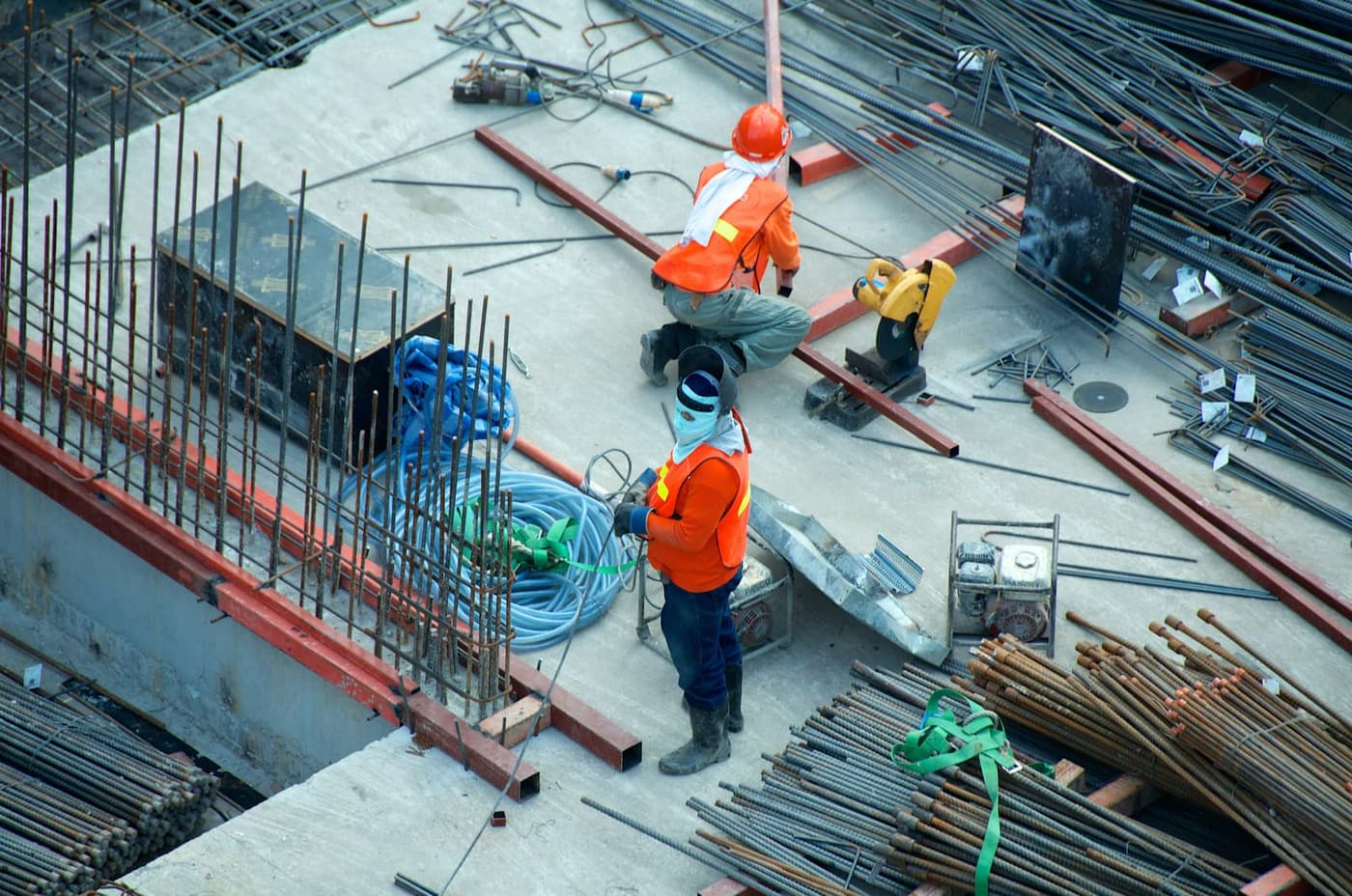
Successful industrial construction work begins with constraints: occupancy, access, landlord or corporate standards, permit path, adjacent systems, and the consequence of failure. North Texas weather adds sequencing pressure—open exterior conditions and moisture-sensitive interiors cannot be planned as if the forecast were irrelevant.
Dock traffic, shutdown windows, and process uptime are scope. Staging plans that ignore logistics tax production harder than the construction cost itself.
Owners should demand written assumptions and exclusions early. Ambiguity at kickoff becomes change-order conflict in the field. A clear basis-of-decision document protects both schedule and relationships.
Design coordination should identify interfaces with roofing, waterproofing, fire protection, electrical gear, and accessibility routes before finish aesthetics dominate the conversation. Many commercial failures originate at trade boundaries that no single drawing package fully owns unless someone forces the coordination.
Budget narratives should separate defined scope, allowances for known unknowns, owner-furnished items, and contingency policy. Mixing those categories in a single optimistic number is how projects lose trust before mobilization.